
Camp Hill, PA · Faucets, toilets and fixtures
24/7 Emergency Line Open
Dripping Taps, Running Toilets and Leaking Showers: Fixture Repair in Camp Hill
Fixtures are the parts of the plumbing system you touch every day: faucets, toilets, showers, tubs and sinks. When one fails, it is usually a worn valve, seal or supply line, and the fix is smaller than the annoyance suggests.
Tell dispatch which fixture is acting up and how. With a plumber serving your area on the line, you will learn whether it needs a repair, a part or a full replacement.
- Licensed and insured plumbers
- Same-day service when available
- 24/7 emergency dispatch
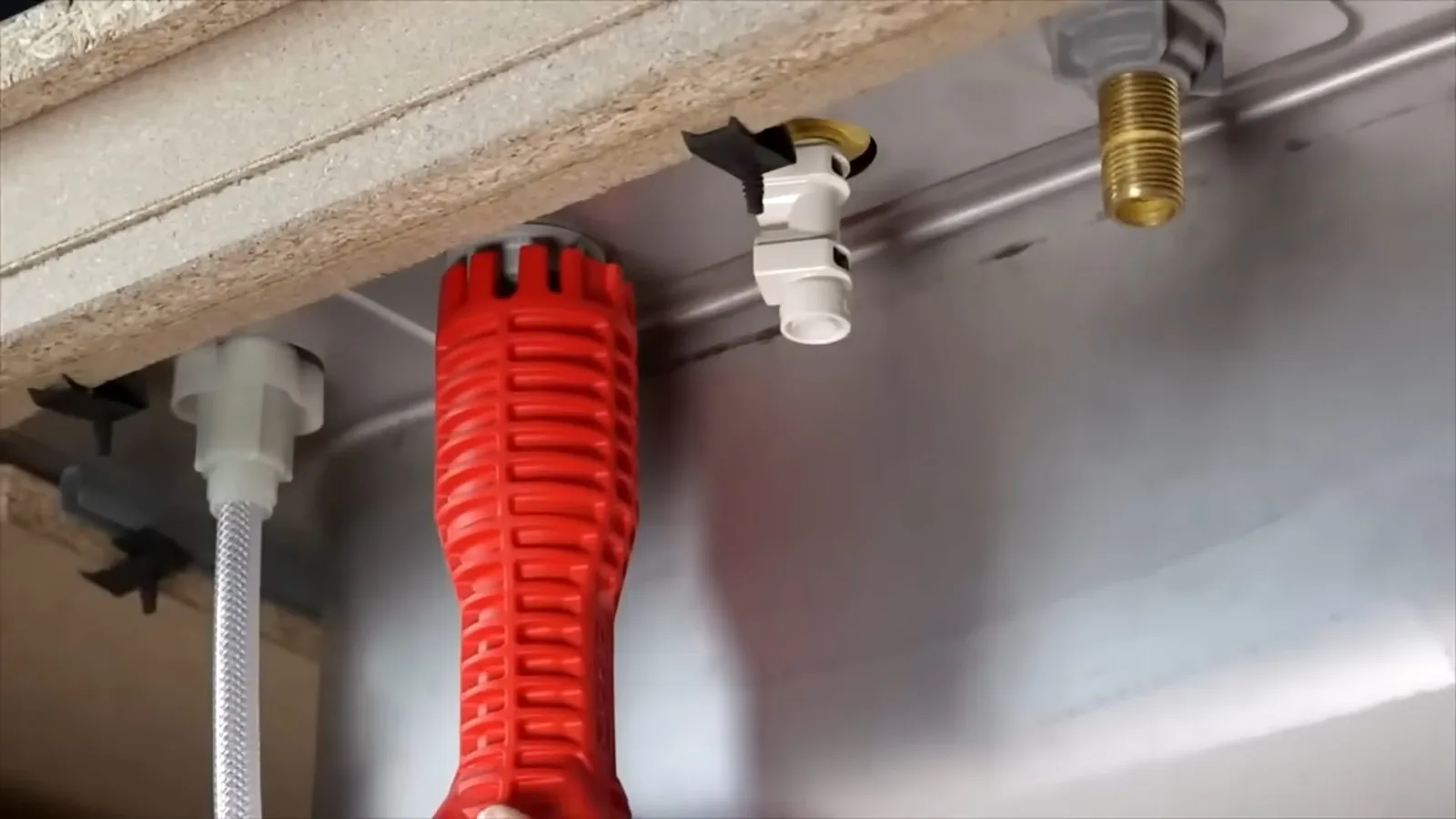
Is it time to repair the faucet or replace it?
Faucet leak detection and repair, faucet and fixture leak repair and leak and fixture repair all start by finding where the water goes. Leaky faucets wasting water add up over a month, and outdoor faucet leaks should be fixed before winter. Toilet, sink and faucet installations are covered below.
A dripping faucet wastes water and usually means a worn cartridge, washer or seal. Faucet repair is the right call when the faucet is otherwise in good shape and parts are available. Replacement makes sense when the finish is failing, the body is corroded or repairs keep returning.
Mineral buildup can clog aerators and stiffen handles. Pennsylvania American Water issues ZIP code water quality reports, and a printed copy is available by phone at 800-565-7292. Start with that report if scale keeps coming back.
When a plumber installs a new faucet, the shut-off valves under the sink are worth checking. A valve that no longer closes should be replaced at the same visit, since a stuck valve turns the next repair into a bigger job.
Shower valve, shower head and shower leak repair
A stripped tub knob is a handle or stem problem, not a reason to replace the whole valve. If you can't seem to cut it off at the fixture shut-off, close the main supply instead and call.
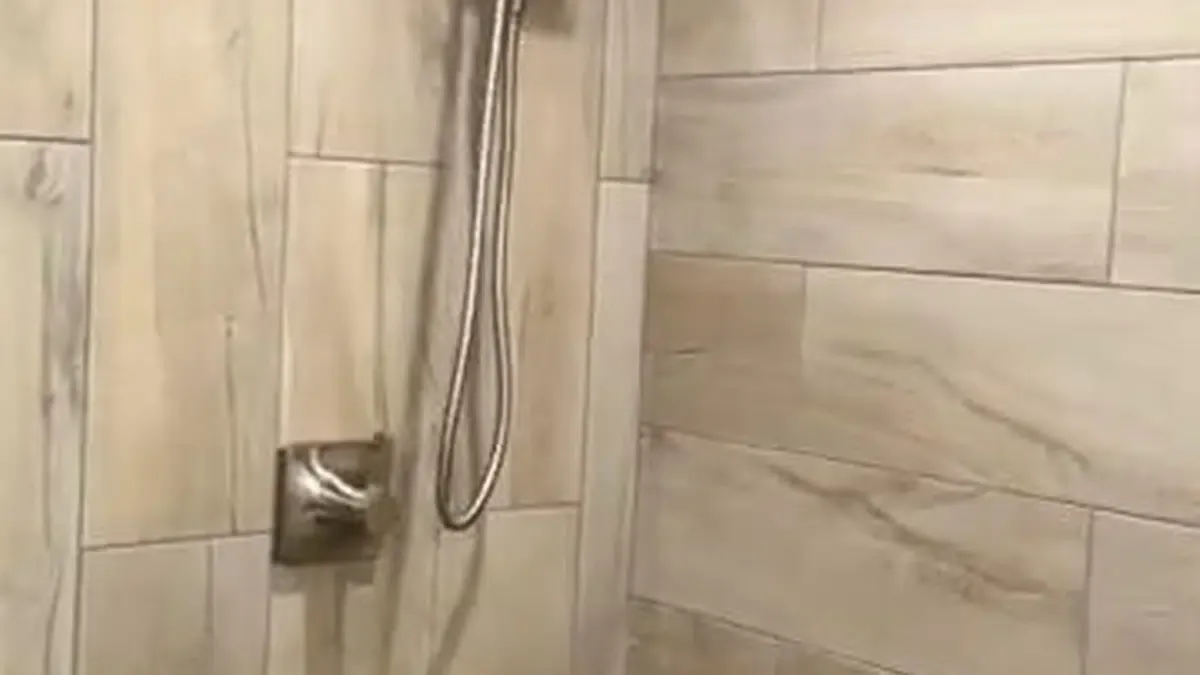
A shower that will not shut off, runs hot and cold at random or drips from the head usually has a worn cartridge or valve. A shower that leaks inside the wall is more serious, because hidden water can damage drywall and framing before it shows. Stains on a ceiling below a bathroom are a warning sign.
A plumber can often replace a cartridge or trim without opening the wall. If the valve body itself is failing, the wall has to be opened, and the plumber should explain how the repair will be closed up. Shower replacement and shower installation follow the same logic, with the valve set at the right depth for the new wall.
If water is dripping from a ceiling, shut off the supply to the bathroom and call. Do not wait to see whether it stops.
Bathtub plumbing, leaks and tub-to-shower conversions
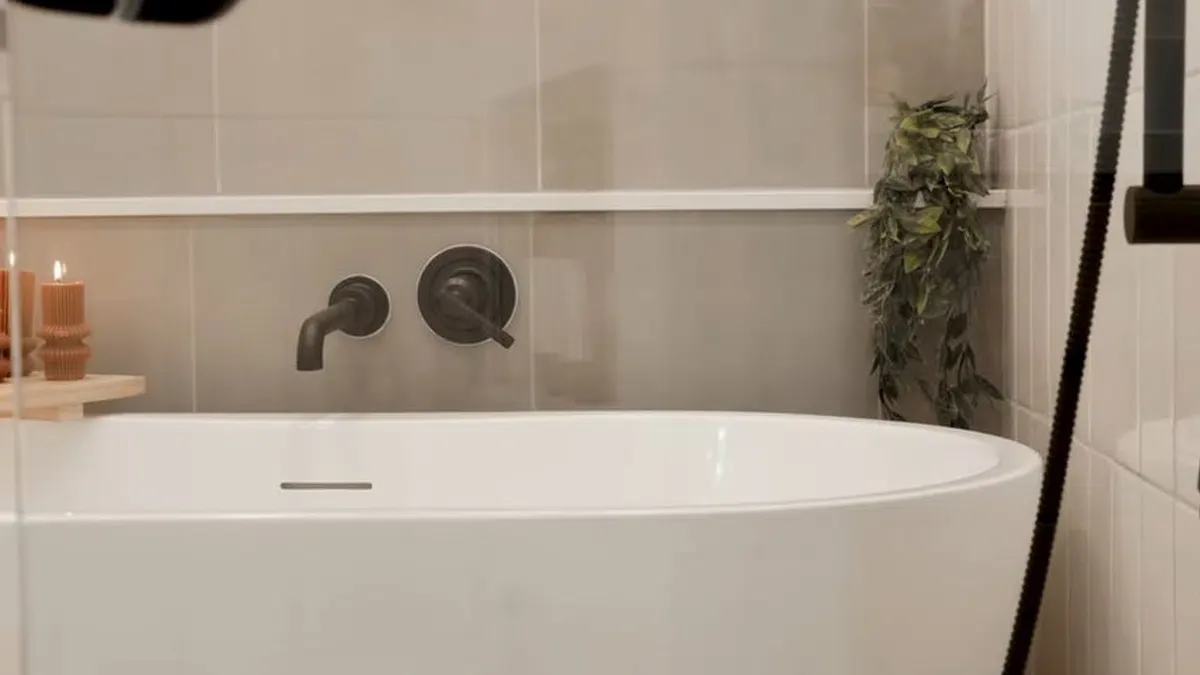
Bathtub leak repair starts with the drain, since a tub drains through an overflow and a waste pipe, and either can leak. If you just want a tub installed, the old one comes out, the drain is reworked and the new tub is set and tested. Water that seeps from the tub apron or stains the ceiling below often traces to a failed gasket at the drain or overflow. A plumber can test those joints with a controlled fill and find the source.
A tub-to-shower conversion is a bigger job. The tub comes out, the drain is reworked and the valve is moved or replaced. It changes the plumbing and the walls, so plan the work with the plumber before choosing tile or a surround. Bathtub installation follows the same sequence in reverse.
Fixture leaking or not shutting off?
Close the shut-off valve under the fixture, then call. Dispatch will tell you what to check first.
Bathroom sink and vanity plumbing
Bathroom plumbing under a vanity is tight and easy to knock. Supply lines, shut-off valves, the trap and the pop-up drain all sit in a small space. A slow drain, a drip under the sink or a faucet that sputters usually has a simple cause.
A plumber can repair the leaking part, replace a corroded trap or change the whole sink and faucet. Sink installation is straightforward when the old connections are sound. If the supply lines are brittle or the valves are stuck, replace them while the cabinet is empty.
Leaving a leak under a vanity lets the cabinet floor rot. Check under every sink for damp wood, a musty smell or rust at the connections.
Sink or vanity leaking?
Close the shut-off valve under the sink, then call. Dispatch will tell you what to check.
Kitchen sink, faucet and dishwasher connections
A kitchen plumber handles the faucet, the supply lines, the trap and the drain, as well as the connections for a dishwasher and an ice maker. A sprayer that leaks, a faucet that wobbles or a cabinet that stays damp are common calls.
A kitchen plumbing company can cover kitchen plumbing services, kitchen plumbing repair and a kitchen leak repair in one visit. Kitchen sink repair is usually quick, but a kitchen remodel changes everything at once. If the room is being renovated, the plumber can move supply and drain lines to match the new layout. The disposal under the sink is its own subject, covered on the garbage disposal page.
Appliance hookups for a dishwasher, washer or ice maker need a shut-off valve and a proper drain connection. Skipping that step is how slow leaks begin behind a machine.
Toilet repair: running, leaking, clogged or wobbly
A toilet that runs after a flush usually has a worn flapper or a fill valve that is not shutting off. A toilet that leaks at the base needs a new wax ring or a tightened bolt. One that wobbles has a loose flange or loose bolts, and a tank that sweats or drips may have a failed gasket.
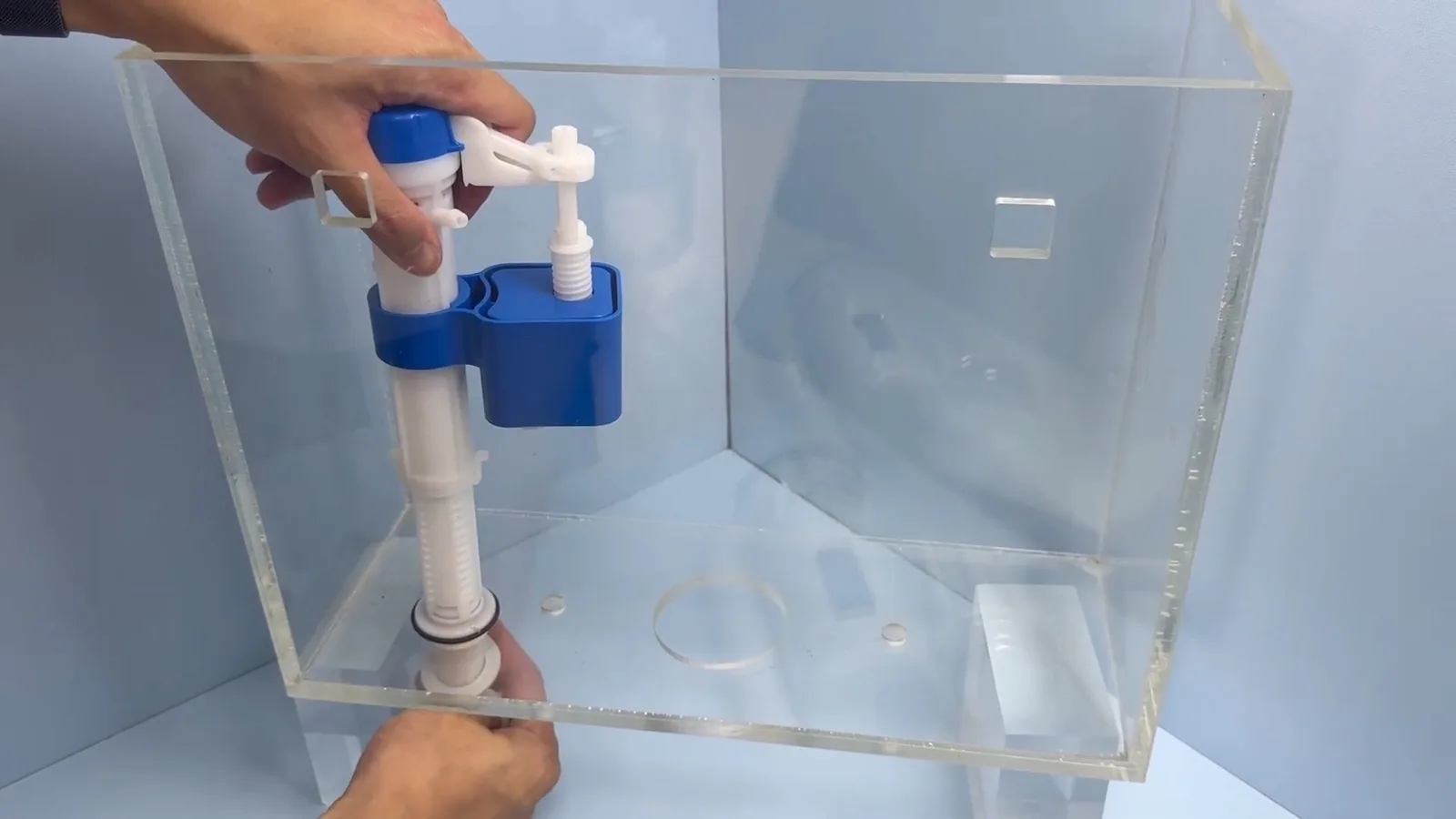
A flange plunger clears many clogs. A clog that keeps returning may point to the drain, and the drain cleaning page covers that. Fill valve, flapper and flush lever replacements are small parts that a plumber can change quickly.
Toilet leak detection starts with a simple dye test. Add dye to the tank without flushing, and color that reaches the bowl proves the flapper is leaking. Test toilet leaks this way before replacing parts. Toilet leak detection and repair, toilet repair and install work, and toilet and sink installations follow the same order.
Leaks at the base should not wait. Water that seeps under a toilet can rot the subfloor over time, so shut the supply valve and call when you see moisture.
Toilet installation and replacement, bidets and remodel plumbing
Replacing a toilet means shutting off the water, removing the old unit, setting a new wax ring and flange seal and resetting the toilet. It is a good time to replace the angle valve and supply line. Dual-flush models, bidet seats and toilet relocation each add steps that the plumber should explain.
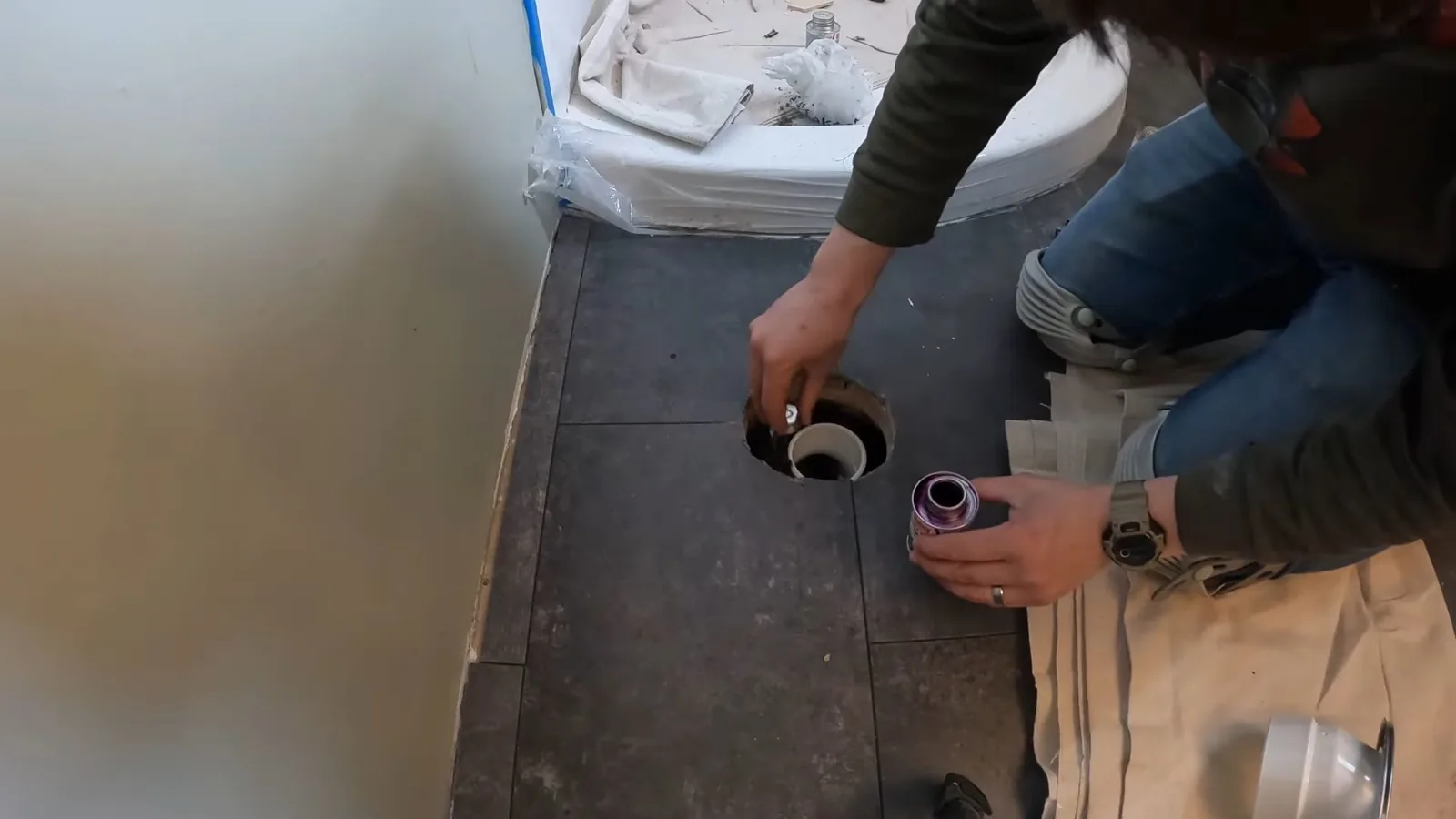
Remodel work needs the plumbing roughed in before the walls close. That includes drains, vents and supply lines for a new bathroom, a laundry room, a wet bar or an accessory unit. Rough-in plumbing for a remodel is a separate stage from setting fixtures, and both should be planned with the plumber.
Outdoor faucets and hose bibs belong here too. A leaking hose bib can freeze and split in winter, so repair it before the cold arrives.
A plumber for a bathroom renovation or a kitchen remodel roughs in the drains, vents and supply lines before the walls close. Bathroom remodeling, bathroom plumbing remodeling and kitchen and bathroom plumbing share that stage, and so do remodel plumbing and renovation plumbing. New construction plumbing and construction plumbing follow plans from the start, so a plumber for new construction should see them first.
An ADU plumbing installation needs its own supply, drain and vent runs. A plumber to install a toilet, a shower or a dishwasher sets the fixture last, after the rough-in is tested. Dishwasher installation plumber work covers the supply line, the drain hose and a high loop or air gap. A plumber to fit a toilet or a shower follows the same order.
Tub to shower conversion plumbing and a bath to shower swap rework the drain and valve, and tub to shower companies should explain where the walls open. Plumbing system upgrades and a plumbing system installation for an addition are planned before any finish work. Swapping round bowls for elongated bowls means checking the rough-in distance first, and a dual-flush toilet installation adds a different tank mechanism.
Faucet, toilet and fixture questions from Camp Hill callers
Why does my toilet keep running and how do I fix the fill valve?
Water that keeps running into the bowl usually points to a worn fill valve or flapper. These steps separate what is urgent from what can wait:
- Do now: lift the tank lid and see whether water is spilling into the overflow tube.
- Do now: close the supply valve if the toilet is overflowing.
- Can wait: replacing the fill valve or flapper at a scheduled visit.
Do I need a new wax ring and angle valve when I reset a toilet?
Yes, replace both. A wax ring seals only once, and an angle valve that is old or stiff can fail the next time it is turned. Fresh parts keep the new connection from leaking beneath the bowl or at the wall.
What should I do if my shower will not shut off?
Two options exist. If the handle only drips and the water stops, a worn cartridge is the likely cause and can wait for a scheduled visit. If water keeps running at full strength, shut off the supply to the bathroom or the main valve and call right away.
How do I fix a flapper and flush lever on a toilet?
A worn flapper and a loose lever are two of the most common toilet repairs. The flapper is the rubber seal at the bottom of the tank, and the lever lifts it when you flush. Replace either part when it fails to seal or lift, and use the same size flapper as the original.
Call about a faucet, toilet or fixture
The same number reaches dispatch for fixture repairs, replacements and installations.
- Licensed and insured plumbers
- Same-day service when available
- 24/7 emergency dispatch