
Camp Hill, PA · Repiping and pipe repair
24/7 Emergency Line Open
Burst, Frozen and Failing Pipes in Camp Hill: Emergency Repiping and Repair
The decision is rarely repair or replace in the abstract. It is whether one failed section is the whole story or the first sign of a pipe system near the end of its life. A single patch can be the right answer, and so can a full repipe.
If water is escaping now, shut off the main supply and call. A plumber serving your area can say what a repair covers and when repiping makes more sense.
- Licensed and insured plumbers
- Same-day service when available
- 24/7 emergency dispatch
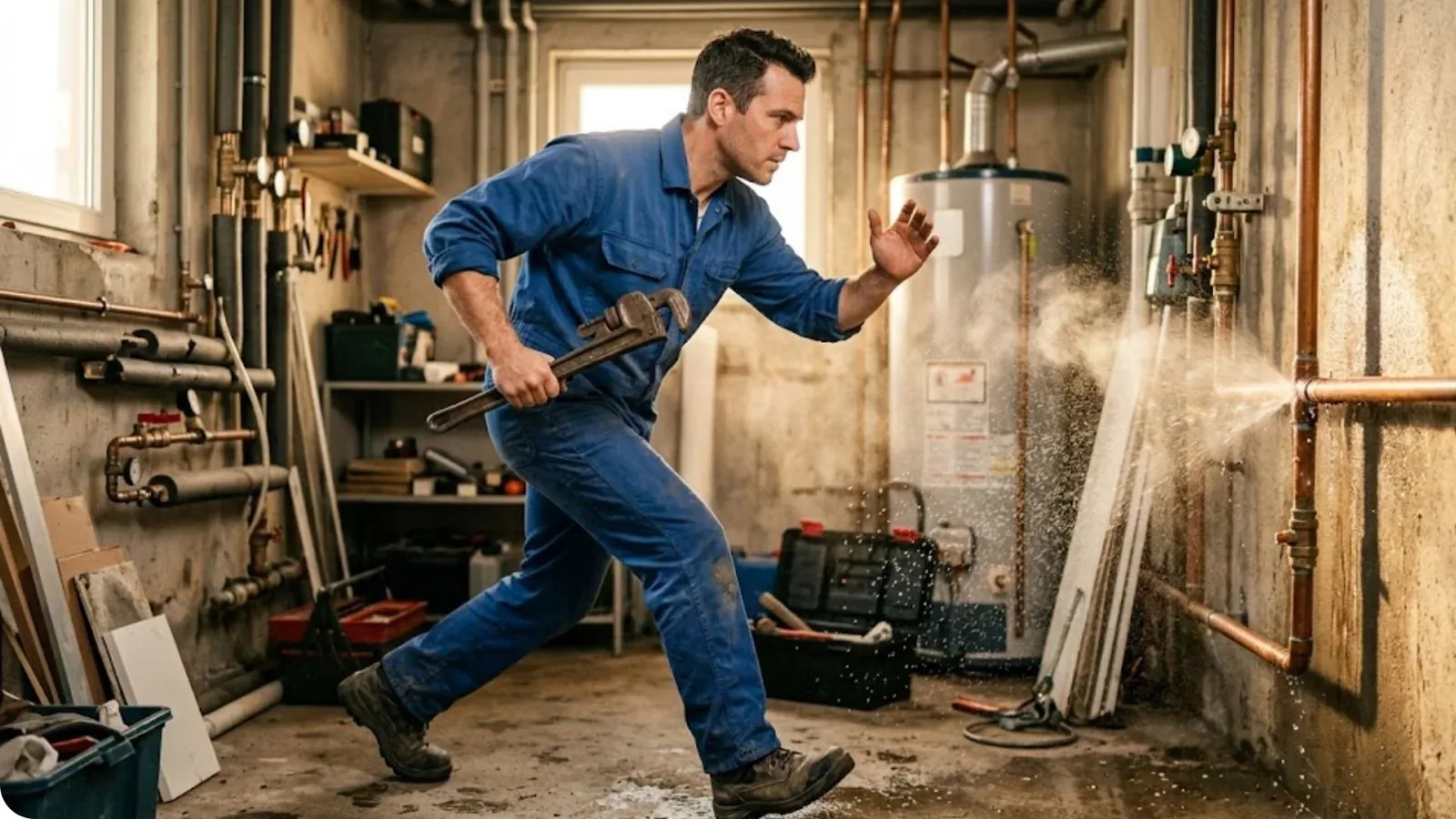
Pipe repair: patching a leak, a pinhole or a split section
A cracked elbow with water flowing out of it is usually a repair. Replace the fitting, then test the joints beside it before the wall is closed. If a tub blockage was the first sign, that points to a drain problem rather than a pipe leak.
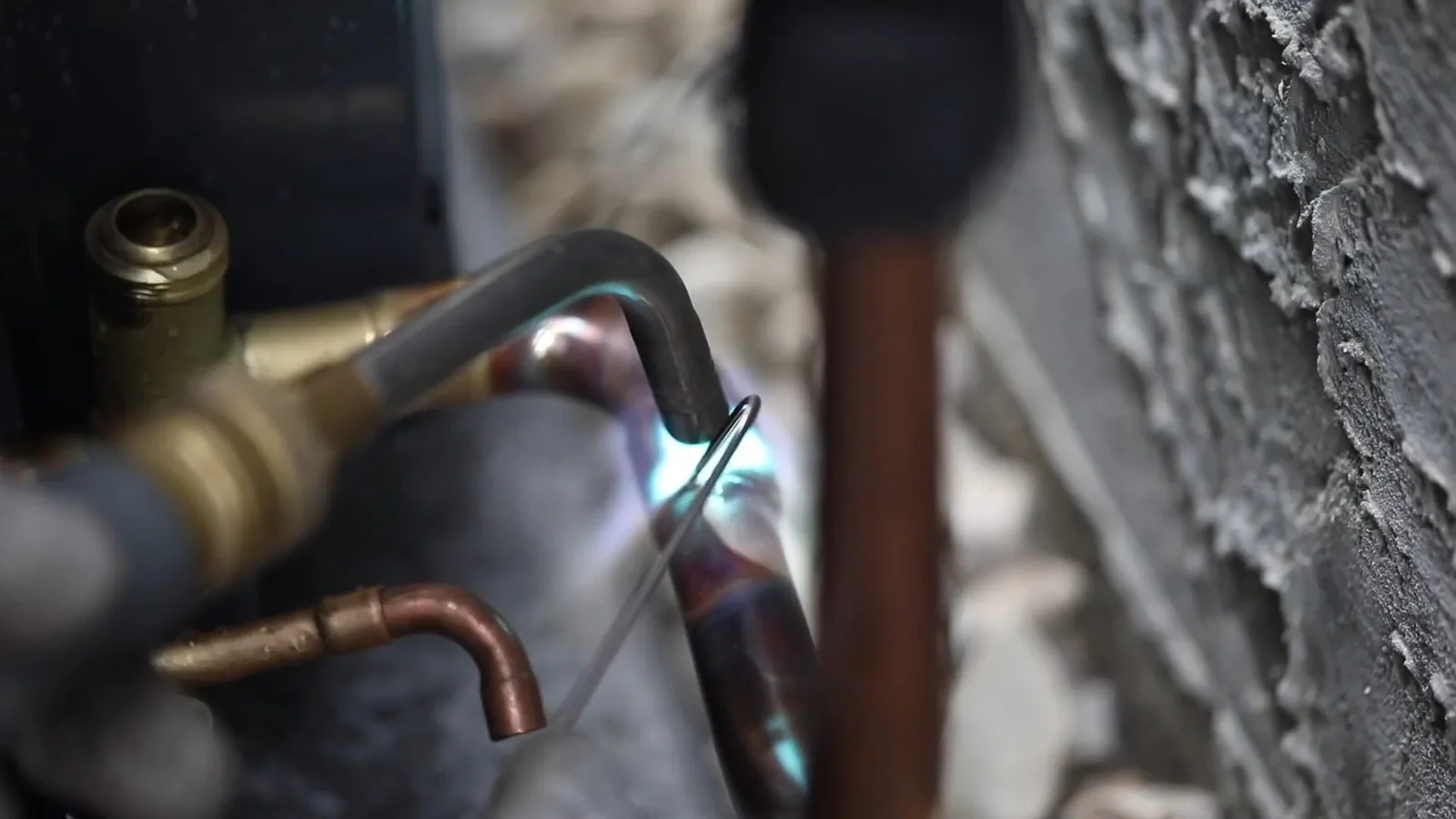
Pipe repair means fixing the failed spot and leaving the rest of the line in place. That can be a coupling over a split, a short section swapped in, a soldered or pressed repair on copper or a new fitting at a leaking joint. It suits a pipe that is otherwise sound and a failure with a clear cause, such as a bump, a bad joint or a single frozen run.
Leaky pipe repair, pipe break repair and recent pipe repairs that keep failing all raise one question: is the pipe the problem, or only the joint? Whether a pipe is burst, broken, heavily leaking or severely leaking, the first step is the same, which is to stop the water. Old pipes prone to leaks and pinhole pressure leaks usually mean the pipe wall is thinning.
Pinhole leaks are a different signal. Tiny leaks in copper often appear in several places over time, because the pipe wall is thinning from the inside. One pinhole patched today can be followed by another next year. If you have found more than one, ask the plumber to look at the pipe along its whole run.
Leaks that are hidden in a wall or ceiling show up as stains, damp drywall or a sudden jump in the water bill. Finding the source comes first, and the leak detection page explains how plumbers locate a leak without tearing out more wall than needed.
Pipe replacement: when one section is not enough
Replacement swaps a whole run of pipe, not a patch. It makes sense when the pipe is corroded along its length, when repairs keep returning or when a material is known to fail. A plumber will usually test pressure, check the pipe interior where it can be seen and compare the condition of different runs before advising.
A lot of Camp Hill housing predates 1950, so older supply and drain materials are a fair thing to ask about. A source for the exact local share is not available, so the practical step is to ask for an inspection of the supply piping rather than assume the worst.
Cast iron drains, PVC and CPVC lines each have their own failure patterns. Cast iron scales and cracks with age, PVC can crack in cold and CPVC turns brittle with heat and years. A plumber can say which material you have and what condition it is in.
Water coming from a pipe right now?
Shut off the main supply, then call. Dispatch will tell you what to do while a plumber is on the way.
What to do when a pipe bursts
For a burst pipe fix, the plumber begins by confirming the shut-off holds and finding every failed section. Burst pipe repair after a deep freeze often turns up more than one split, so expect a pressure test before the job is called done.
A burst pipe can release a great deal of water quickly. Speed matters more than perfection, so the first minutes follow a short order.
- Shut off the main water valve, usually where the line enters the house or at the meter.
- Open the lowest tap to empty the lines, and flush a toilet to empty the tank.
- Turn off power to wet areas at the breaker if you can reach it safely.
- Move furniture, rugs and electronics out of the water path.
- Photograph the damage before moving anything, then call.
Residential burst pipe repairs follow these steps. To request pipe repair service, call and say what is leaking, since leaks and pipework problems, including leaking pipes and fixtures, can sound alike on the phone.
Do not wait for a better time. Even a burst pipe that looks small can keep running behind a wall. If water has already soaked floors or drywall, the drying and extraction work belongs to drying and extraction, and a plumber handles the broken pipe itself. The Camp Hill plumbing home page explains how dispatch works at any hour.
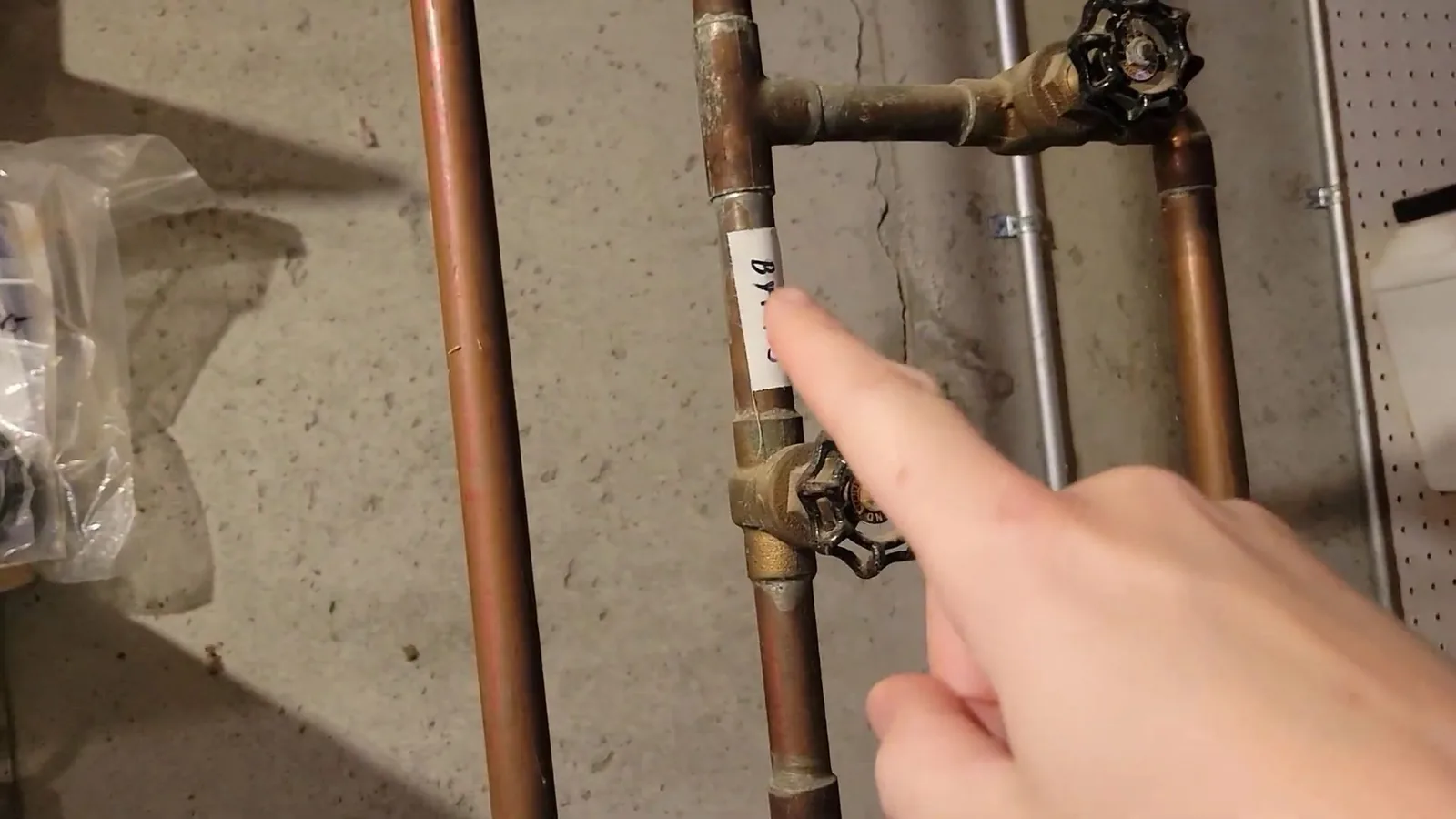
Whole-house repiping: galvanized, polybutylene and aging copper
Plumbing system repiping replaces the supply lines through the whole house, and pipe repair and whole-house repiping are separate jobs with separate scopes. Ask the plumber which one the quote describes. Residential pipe leak detection comes first, since a plumber needs to know where the pipe is failing before recommending either.
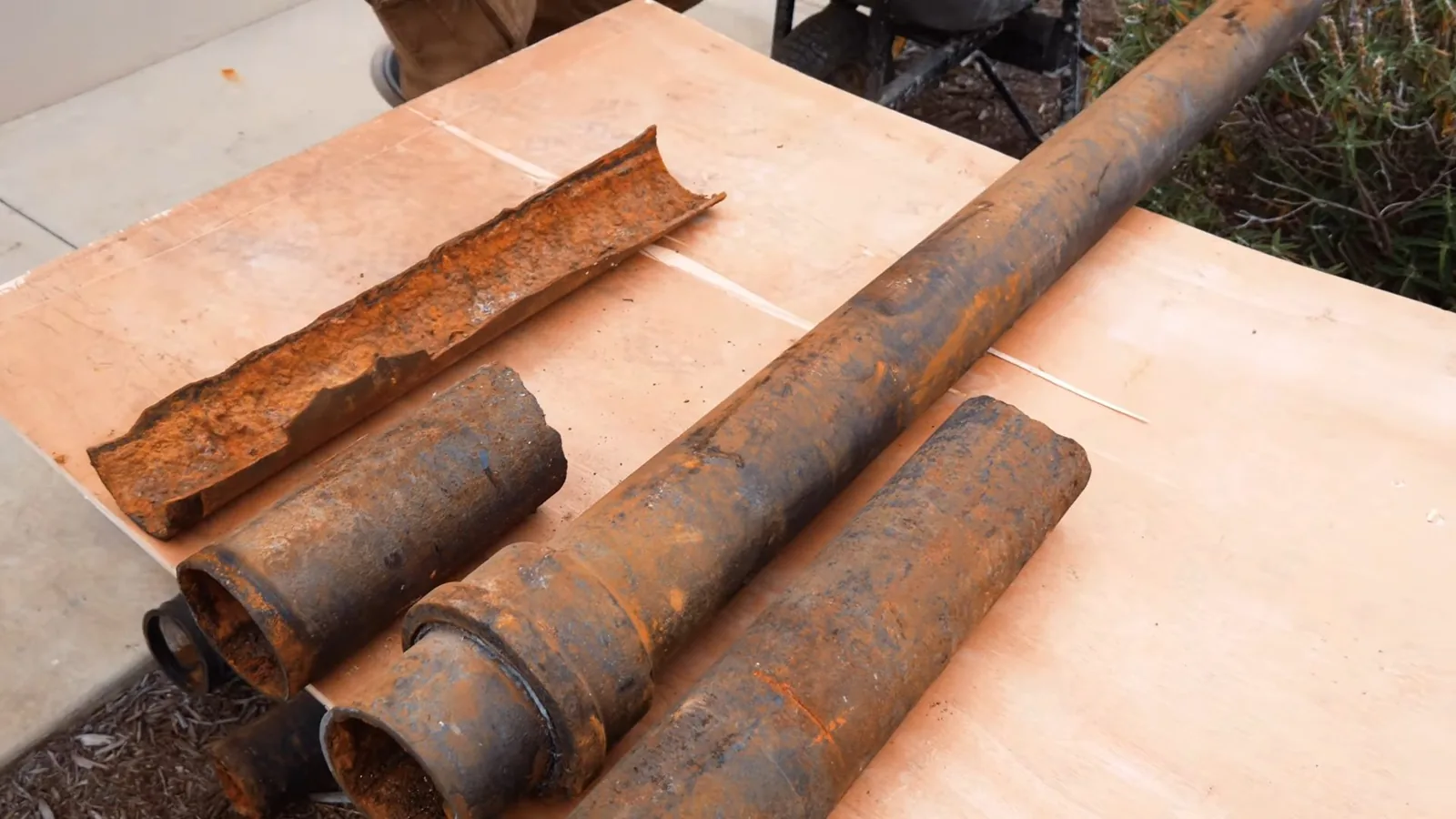
Whole-house repiping replaces the supply lines throughout the home. It is a larger job, and it is worth considering when the pipe material is failing, leaks keep showing up in different places or water pressure and color have changed.
Galvanized steel is a common older material. It corrodes from the inside, narrows over time and can turn the water brown or rusty. Signs include gray, threaded pipe, low pressure at several fixtures and rust staining at joints. Polybutylene was a gray plastic pipe used in some homes decades ago and is known for failing at its fittings. Ask the plumber to identify any pipe you cannot name.
Plumbing repiping and a whole house repipe are planned jobs. When comparing repipe specialists or repiping specialists, ask them to walk the house, count the fixtures and show where walls will open. Pipe installation and repair, from one fitting to whole-house repiping, begins with that same inspection.
Repiping can use copper or PEX. Copper is durable and familiar. PEX is flexible, goes in faster and handles cold better. Ask which one the plumber recommends for your layout and why, and ask whether walls will need opening.
Lines under a slab or buried in the yard are their own category. Confirm what you have first, since the right approach depends on how the house was built. A plumber may reroute a line through the attic or walls instead of digging up the floor.
Frozen pipes in a Camp Hill cold snap: thaw first, then check
Frozen pipes leading to leaks are common in a cold snap, because ice splits the pipe and the damage only shows once the water thaws. Open the faucet slowly after thawing and watch the nearby walls for dampness.
Frozen pipes are a winter problem here. The Northeast Regional Climate Center, part of NOAA, reported that Harrisburg logged one of its longest streaks of days with highs below 25 degrees in late January 2026. Pipes in an exterior wall, a crawl space or an unheated garage are the usual suspects.
If a faucet runs slow or stops in cold weather, a pipe may be frozen but not yet split. Open the faucet so water can flow as the pipe thaws, and warm the area gently with a hair dryer or by raising the room temperature. Never use an open flame. A pipe that has already split will leak as it thaws, so be ready to shut the main.
After a thaw, check the pipe and the joints around it for drips. A frozen pipe can crack without leaking until the ice melts. A plumber can inspect the run, repair any split and suggest insulation or rerouting for the spot that froze.
Heading away during a cold spell? Leave the heat on and tell a neighbor where the main valve is.
Pipes frozen or leaking?
Call and describe what you see. Dispatch will say what to check first.
Copper, PEX, PVC and cast iron: what each material means for repair
Copper is long lived and repairable, but it can pit and develop pinholes in some water conditions. PEX resists freezing damage better than rigid pipe and is quick to install, though it needs proper fittings and protection from sunlight. PVC and CPVC are plastic lines common in drains and some supply runs.
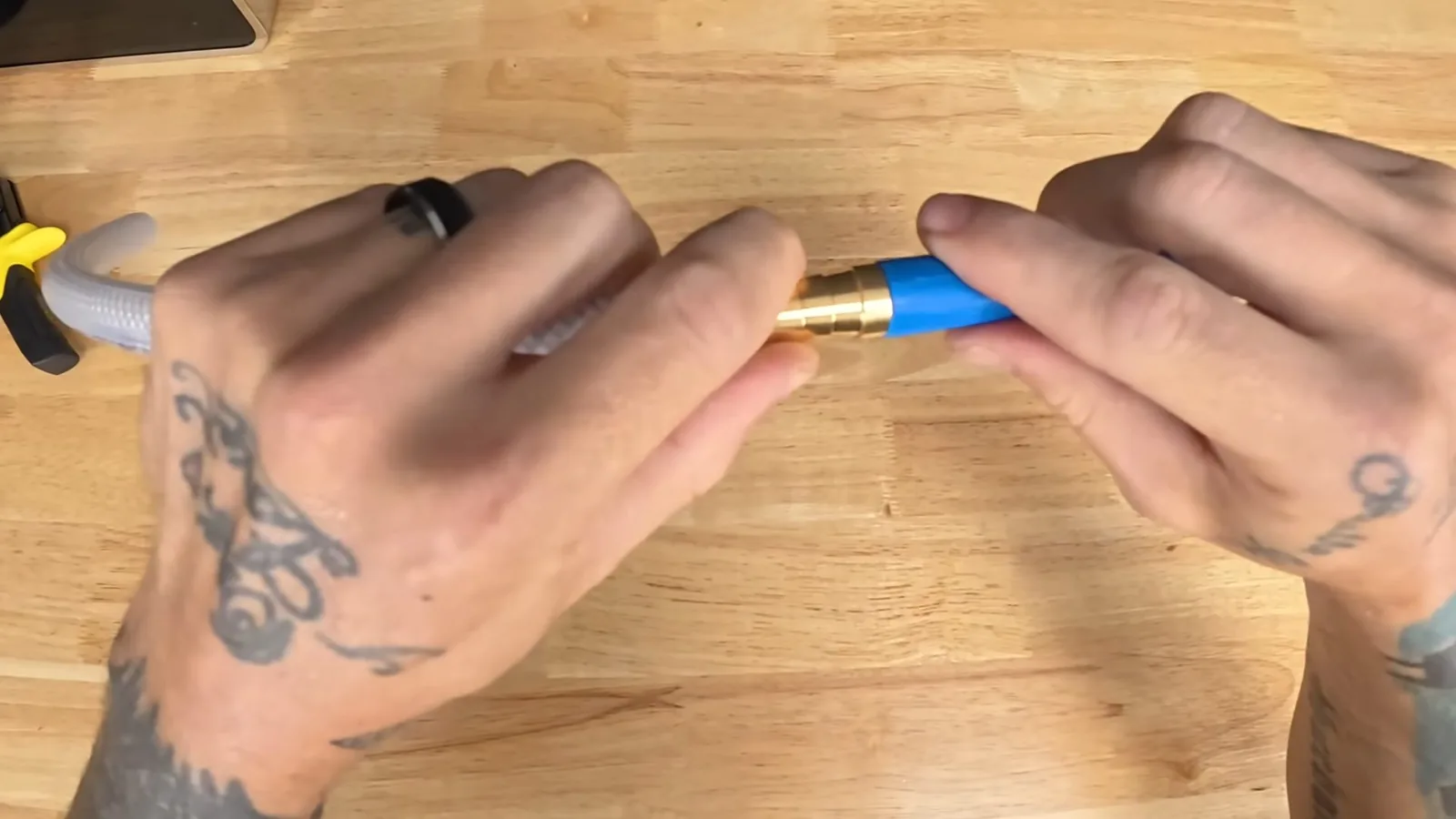
PEX pipe installation is fast, and galvanized pipe replacement removes steel that has corroded from the inside. Underground pipe repair on a yard line is a dig job, so it is planned differently from work inside a wall. A pipefitter works on industrial and process piping, while a plumber handles home water, drain and gas lines.
Cast iron appears in older drains and stacks. It is strong but rusts from the inside and can crack with age. A repair on one material is not the same as a repair on another, which is why the plumber needs to identify the pipe before quoting any work.
If you are weighing repair against replacement, ask the plumber to show you the pipe condition and explain what failed. The answer should name the material, the cause and what a repair will and will not fix.
Repiping and burst pipe questions from Camp Hill callers
What do I do when my pipes burst?
A homeowner wakes to the sound of running water in the basement. The first move is the main shut-off, then open a low tap to empty the lines. Turn off power to wet areas if it is safe, then call a plumber. Photograph damage before moving things.
Can I get emergency repiping or pipe repair the same day?
Dispatch answers at any hour, and the call settles what is possible that day. Burst pipes and active leaks are treated as urgent. A larger repiping job is planned after the immediate repair, since it needs a full look at the system.
Who do I call for frozen pipes or a broken pipe?
Call a plumber. A frozen pipe can split without warning, and a broken pipe needs a repair, not a dryer.
What do I do if a pipe bursts while I am away from home?
Ask a trusted neighbor or family member to shut the main valve, then call dispatch with the address. Shutting off water quickly limits damage, and the plumber can then repair the pipe while a restoration company handles any wet areas.
How do I know if my house has galvanized pipes?
Look at exposed pipe near the water meter or heater.
- Check for gray, threaded steel pipe, not copper or plastic.
- Look for rust at joints and rust-colored water when a tap first runs.
- Notice whether pressure is weak at several fixtures.
- Ask a plumber to confirm the material.
Never cut into a pipe to test it, since that can start a leak.
Call about burst or failing pipes
The same number reaches dispatch for burst pipes, frozen pipes and repiping questions day or night.
- Licensed and insured plumbers
- Same-day service when available
- 24/7 emergency dispatch