
Camp Hill, PA · Sewer line repair and replacement
24/7 Emergency Line Open
Sewer Backups and Broken Pipes in Camp Hill: Emergency Sewer Line Repair
Next door in Lower Allen Township, the written rule is that the homeowner owns the sewer lateral from the house to the main in the street. Camp Hill Borough has not been confirmed to follow the same rule, so the first question on any sewer problem here is whose pipe it is.
Call dispatch and describe the backup, the smell or the camera findings. A plumber serving your area can then explain whether the problem sits on your side of the line and what a repair or replacement involves.
- Licensed and insured plumbers
- Same-day service when available
- 24/7 emergency dispatch
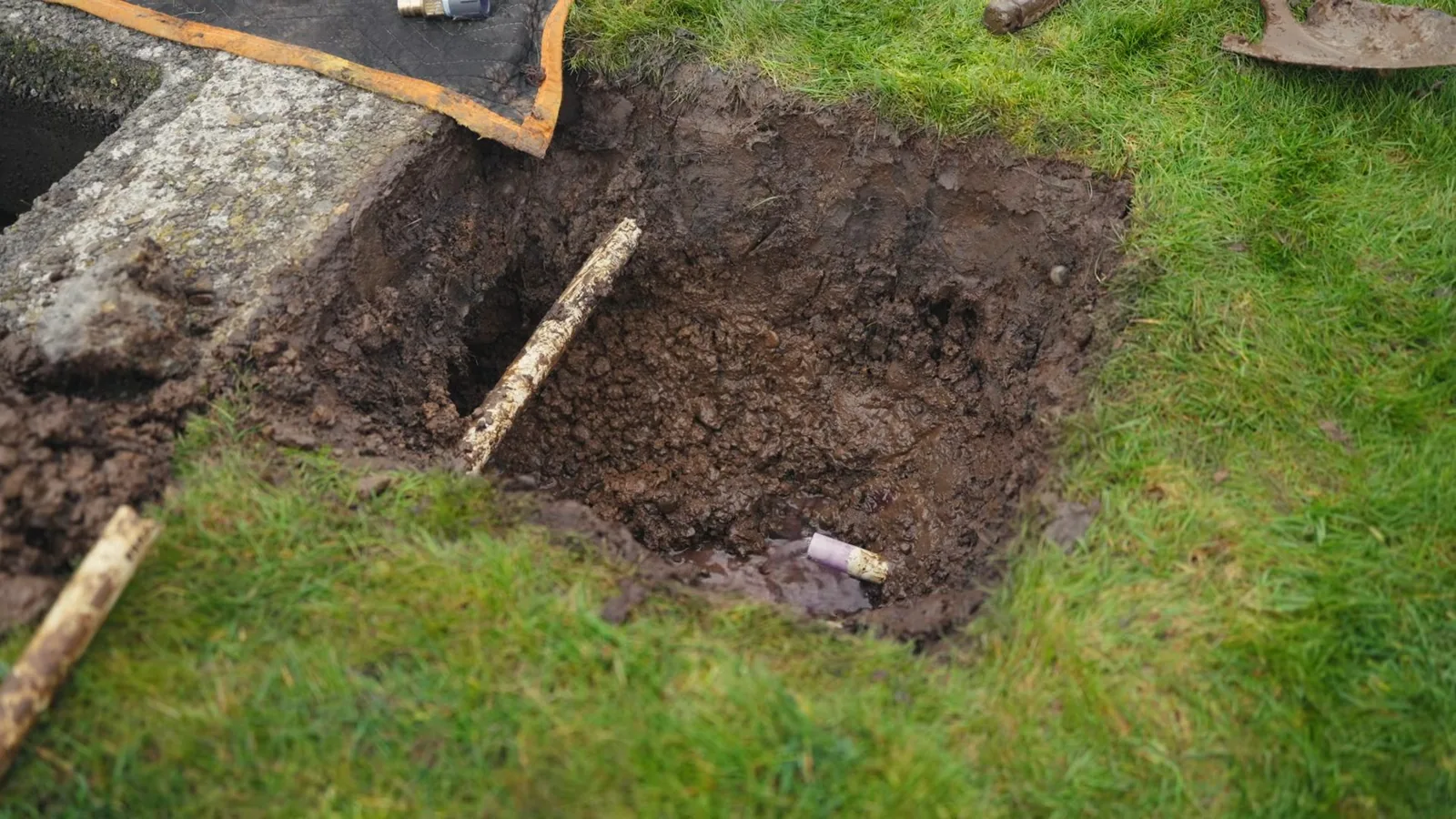
Sewer backup: what it looks like and what to do first
A sewer backup is wastewater returning into the house instead of leaving it. It shows first at the lowest drain: a basement floor drain, a shower in the lowest bathroom or a toilet that gurgles when a washing machine drains.
- Stop using water. Every flush or load of laundry adds to the backup.
- Keep children and pets away from the affected area.
- Do not run a dishwasher or washing machine until the line is clear.
- Photograph the area and note when it started.
- Call dispatch and say which drains are affected.
The sewage cleaning process for the room afterward is a restoration job. Sewage is a health risk. Cleanup of the room afterward is a separate job, and it is covered under sewage cleanup and water removal.
Property managers, and owners of multifamily buildings, should say so on the first call, since a backup in one unit can be a shared line. Who to call for a sewer backup? A plumber, because the question is whether the blockage is in your house line or in the municipal main, and only someone with a camera can tell. If the main is the problem, the municipality or sewer authority handles it.
Sewer cleaning: clearing the main line before anyone repairs it
Drain cleaning and sewer services overlap, and the split is simple: a clog in a fixture drain is handled on the drain cleaning page, and a main line problem belongs here. When the main line is simply clogged, sewer cleaning gets it moving again. A rooter machine drives a heavy cable with a cutting head through the line to chew through roots or grease. A sewer jetting service uses water at high pressure to wash the line walls.
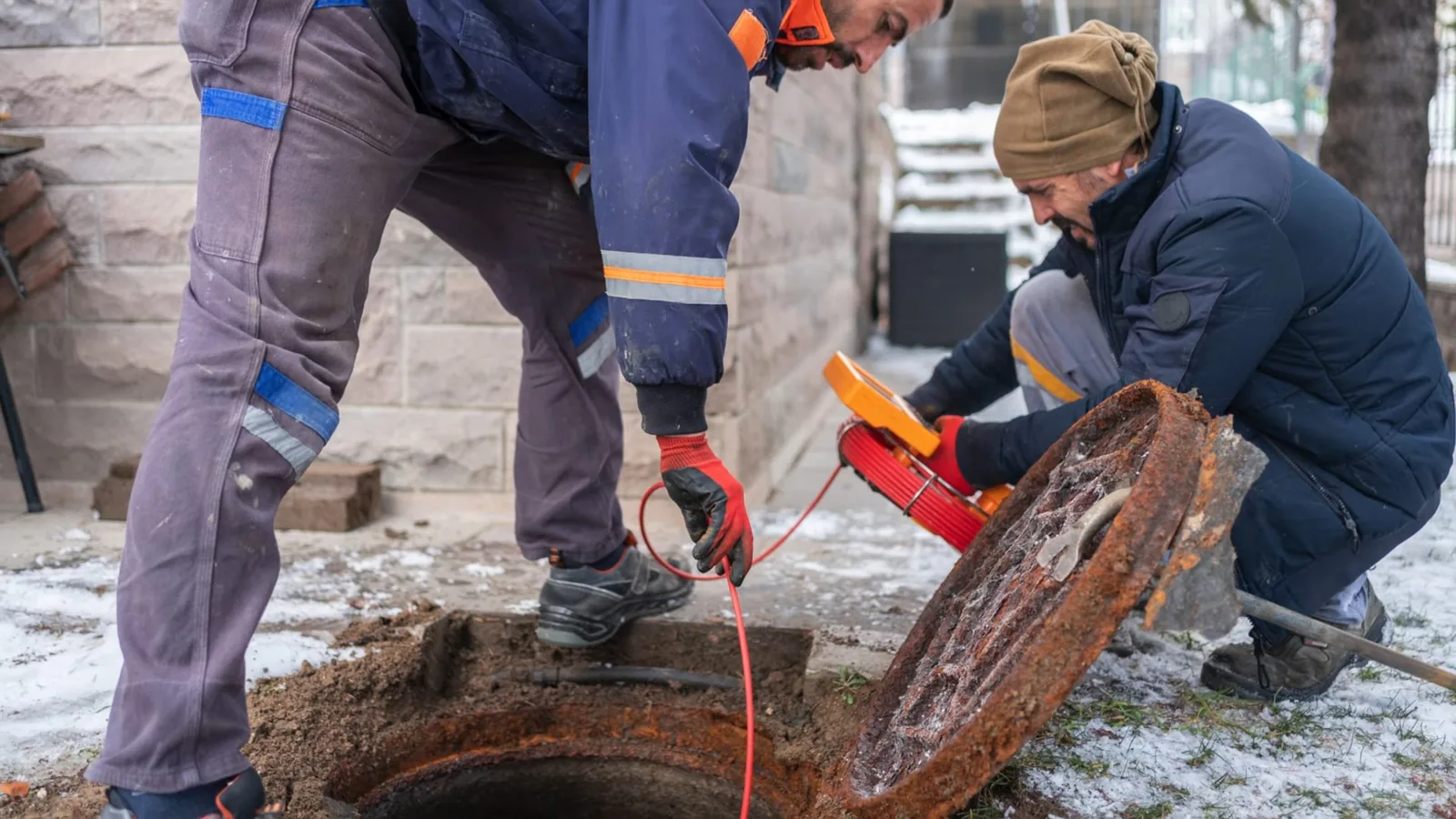
Hydro jetting a sewer line is the water-pressure version of the same job, and a mainline clog that returns calls for a camera. A plumber for sewer cleaning, a sewer cleaning plumber or a plumber for a clogged sewer line should both clear the line and explain the cause. Clearing a main line is a different job from the routine fixture drain work on the fixture drain cleaning page. It is also a short-term answer. If a line has backed up twice, the cause is in the pipe, and the right next step is a look inside.
Sewer scope or borough inspection: what a camera tells you
A sewer scope is a camera inspection run through the line from a cleanout or a pulled toilet. It shows the pipe material, sags, cracks, roots and offset joints, and the footage becomes a record you can keep. A municipal inspection is a different thing: a borough or authority checks that work meets local rules or that a connection is sound, and it is not a substitute for a camera look at your own pipe.
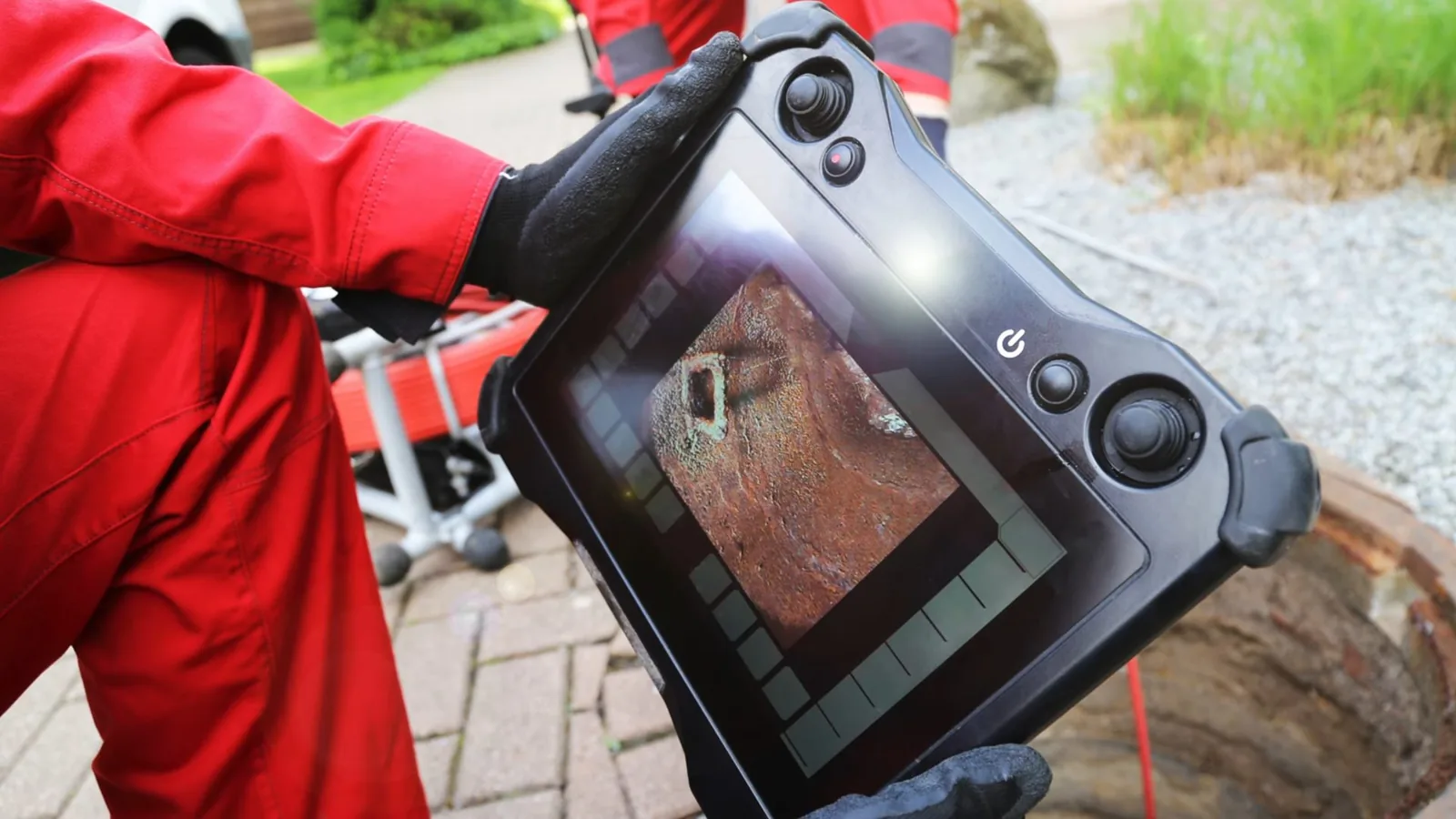
- Ask for the camera inspection before any repair quote.
- Ask to see the footage, with the distance from the cleanout noted for each problem.
- Ask which sections are damaged and which are sound.
- Ask whether the problem could be on the municipal side of the line.
One caution: footage shows condition, not ownership. A camera does not tell you where your responsibility ends. Your municipality answers that.
Sewage in the house or a smell that will not clear?
Call now. Dispatch will tell you what to shut off and what to avoid while a plumber is on the way.
Lateral line ownership: homeowner or municipality
The lateral is the pipe that carries wastewater from your house to the sewer main under the street. Who owns which stretch of it decides who pays and who must pull a permit, so it is worth asking before work begins.
In Lower Allen Township, the township's sewer lateral information says the homeowner owns the lateral from the house to the main. A repair needs a permit from the township plant office, and digging in the public right-of-way needs another. That is stated for Lower Allen only.
Before any excavation, Pennsylvania One Call, the 811 service, must be called so buried utility lines are marked. Allow at least three business days. A contractor hired for the work normally places the call, and for a homeowner the call itself is without charge.
Sewer repair: spot repair, relining or digging
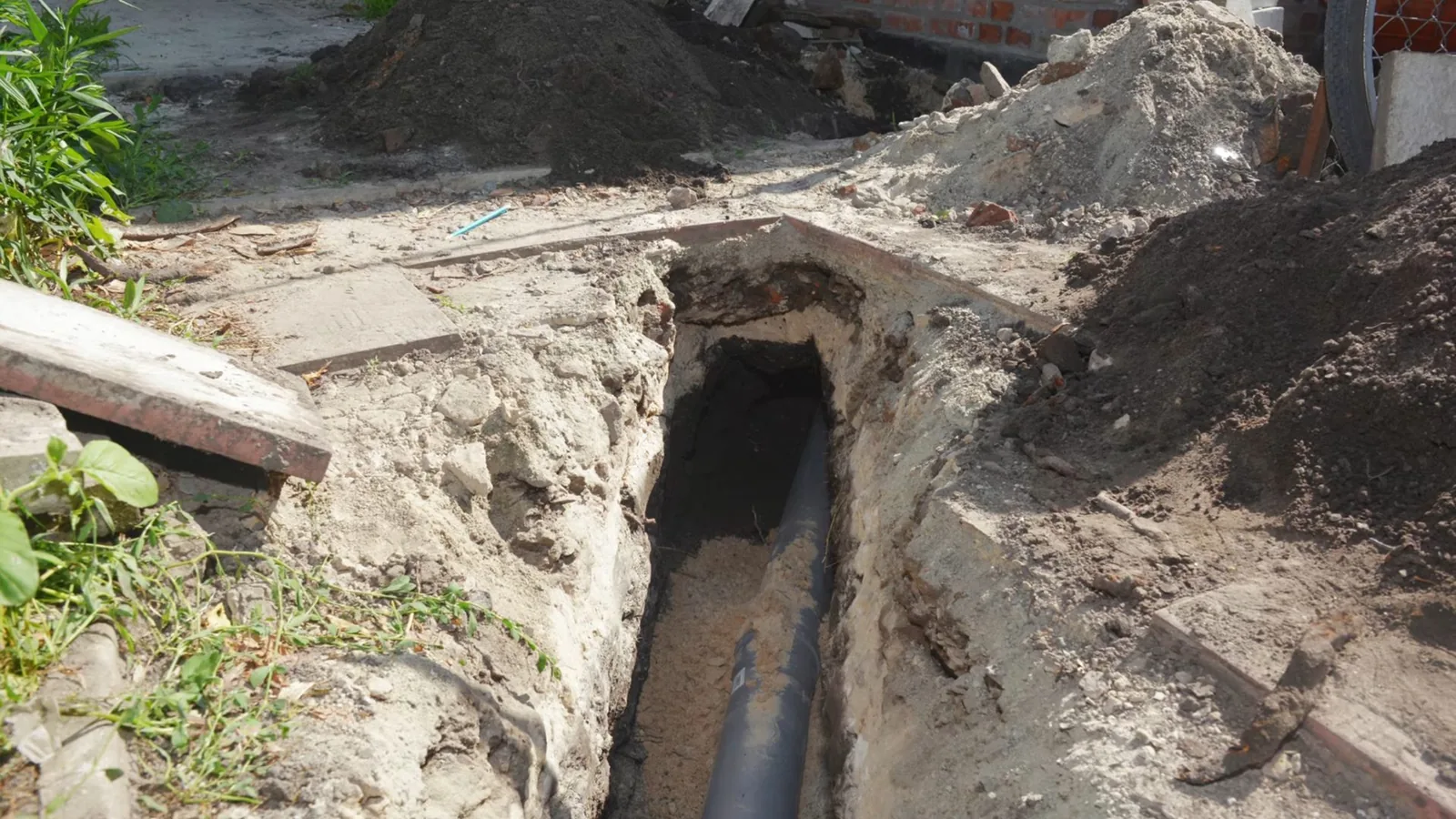
Sewer repair options and sewer line repair methods fall into three groups, and sewer system repair and sewer line leak repair use the same ones. Sewer leak detection can involve a camera, smoke or water testing. Sewer line installation, for a new connection, is a separate permitted job. Sewer line repair covers three situations. A short break or offset joint can be repaired where it sits. A long run of cracked or root-damaged pipe may be relined. A collapsed or badly bellied line is replaced. The camera footage decides which, and the plumber should show you the evidence for the choice.
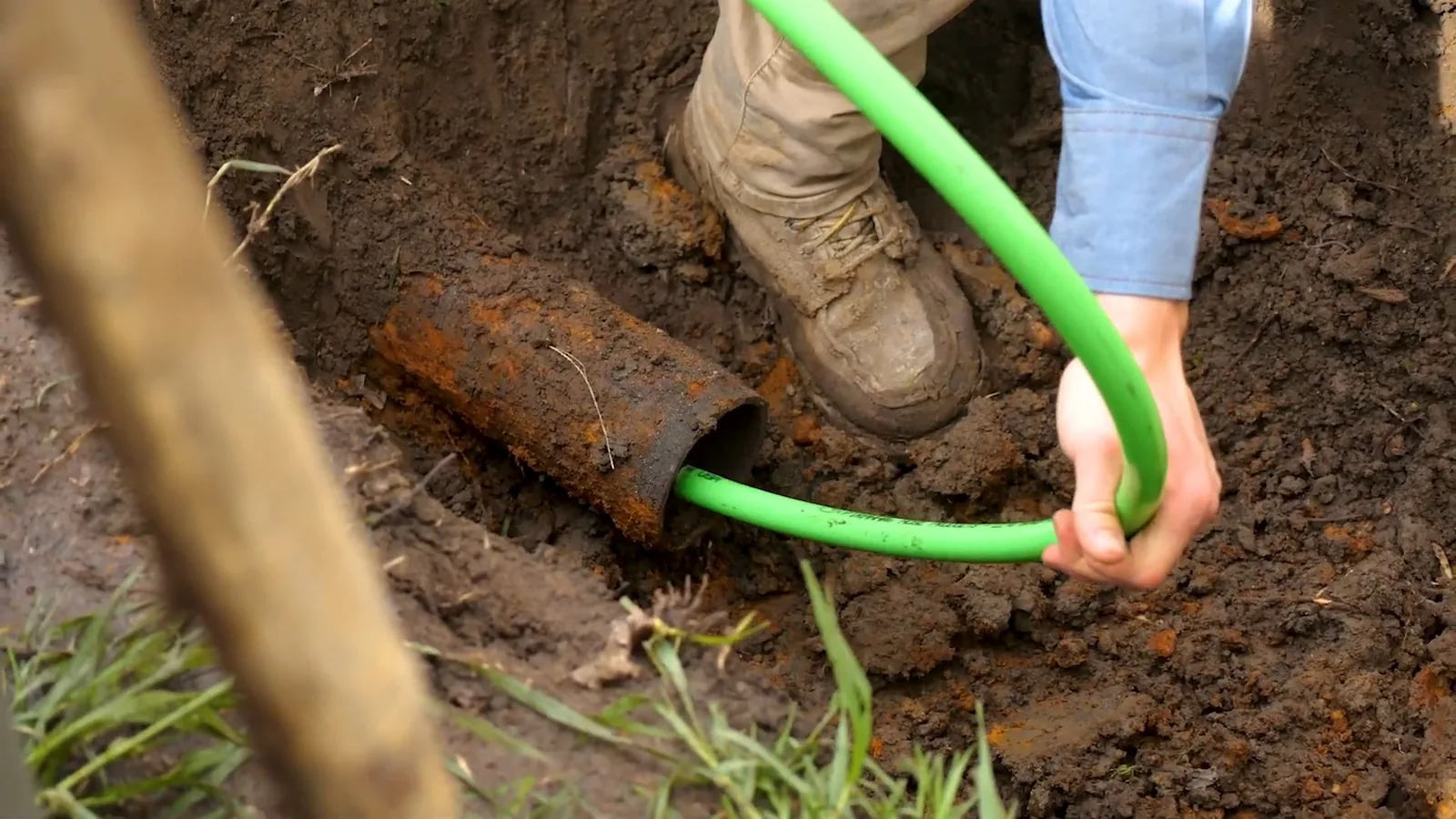
Old materials matter here. Cast iron scales and narrows over decades. Clay pipe has joints that roots can enter. Orangeburg, a fiber pipe used in some mid-century construction, can flatten and collapse. Ask what your line is made of, and whether the age of the house suggests one of these.
A bad smell near a drain or yard cleanout can be a dry trap, but a persistent sewer smell outdoors or in a basement can mean a cracked line or a loose cleanout cap. Ask the plumber to check the cleanout when they look.
Trenchless sewer lining versus excavation: when each applies
Trenchless sewer repair and trenchless sewer line replacement are the same family of methods, and trenchless versus open-trench repair is the core choice. Before pipe relining repair work, the line is cleaned and inspected. Trenchless repair works through small access points and avoids a long trench across a yard. Pipe lining installs a new inner pipe inside the old one. Pipe bursting pulls a new pipe through while breaking the old one apart.
When trenchless fits
The old pipe is mostly in line, has cracks, roots or minor offsets, and a long trench would cross a driveway, patio, mature tree or finished landscaping.
When excavation fits
The pipe has collapsed, has a severe sag that holds water or has a break that lining cannot cross. Digging lets the plumber see and fix the exact problem.
Ask the plumber why a method was chosen, what warranty comes with it and how access is restored afterward. The lining option should come with a before and after camera view.
Not sure whose pipe it is?
Describe the problem to dispatch. A plumber can explain what to ask the borough before any digging starts.
Sewer line replacement: when repair stops making sense
Sewer replacement becomes the sensible choice when a line has failed in several places, when the pipe material is at the end of its life or when repairs keep repeating. A full new line, from the house to the connection at the main, ends the cycle of backups and cleanouts.
Replacement work usually needs permits and may need work in the public right-of-way, so the planning phase is longer than the digging phase. Ask the plumber to put the permits, the 811 call and the restoration of the yard in the scope.
Water-supply lines are a different pipe, with their own repair path, covered on the water line repair page. This page deals only with wastewater.
Sewer line questions from Camp Hill homeowners
When does trenchless sewer lining beat digging, and when does it not?
Lining suits a pipe that still holds its shape, with cracks or roots but no collapse. Digging suits a collapsed pipe, a deep sag or a break that a liner cannot span.
Pick lining when digging would damage a driveway or mature landscaping, and the camera shows a pipe worth lining. Pick excavation when the camera shows a collapse or a sag.
Who do I call for a sewer backup?
Call a plumber. The plumber can use a camera to find out whether the blockage is in your line or in the municipal main. If it is in the main, the borough or sewer authority fixes it, and the plumber can document what was found.
What should I know about cast iron, clay or Orangeburg sewer pipe in an older house?
Camp Hill has many older homes, and older sewer lines are more likely to be cast iron or clay. Cast iron scales and narrows, clay joints let roots in, and Orangeburg can deform. The house age gives a hint, but only the camera confirms the material.
Is a sewer scope the same as a borough inspection?
No. A scope is a camera look inside your pipe, done by a plumber. A borough inspection checks whether work meets local rules.
Do the following:
- Get a scope before buying an older house or authorizing repair.
- Ask the plumber to note the distance to each problem.
- Ask the codes office whether a permit or inspection applies to the repair.
A scope does not replace a permit inspection where one is required.
Why does my house smell like sewage?
Picture a family that notices a sewer smell in the basement every time the washer drains. The cause could be a dry floor-drain trap, which a cup of water fixes, or a cracked line under the floor. If water does not cure it, call, because gas from a broken line is a health concern.
What should I do when sewage backs up, and what can wait?
Do now:
- Stop all water use, keep people away and call.
- Photograph the area.
Can wait: cleanup of the affected room, which a restoration company does after the line is cleared. Do not use the affected toilet or shower until the plumber says it is safe.
Call about a sewer problem
Dispatch answers every hour for backups, sewer smell and sewer line questions. One call starts the process.
- Licensed and insured plumbers
- Same-day service when available
- 24/7 emergency dispatch