
Camp Hill, PA · Water softeners and filtration
24/7 Emergency Line Open
Hard Water, Spots and Scale? Water Softener and Filtration in Camp Hill
Call and describe what you see: white crust on faucets, spotted glassware, a soap film that will not rinse off or water that tastes off. A plumber serving your area will ask where the water comes from, what is already installed and what you want to fix.
The right system depends on the water and the household. A short conversation sorts out whether you need a softener, a filter, both or just a test first.
- Licensed and insured plumbers
- Same-day service when available
- 24/7 emergency dispatch
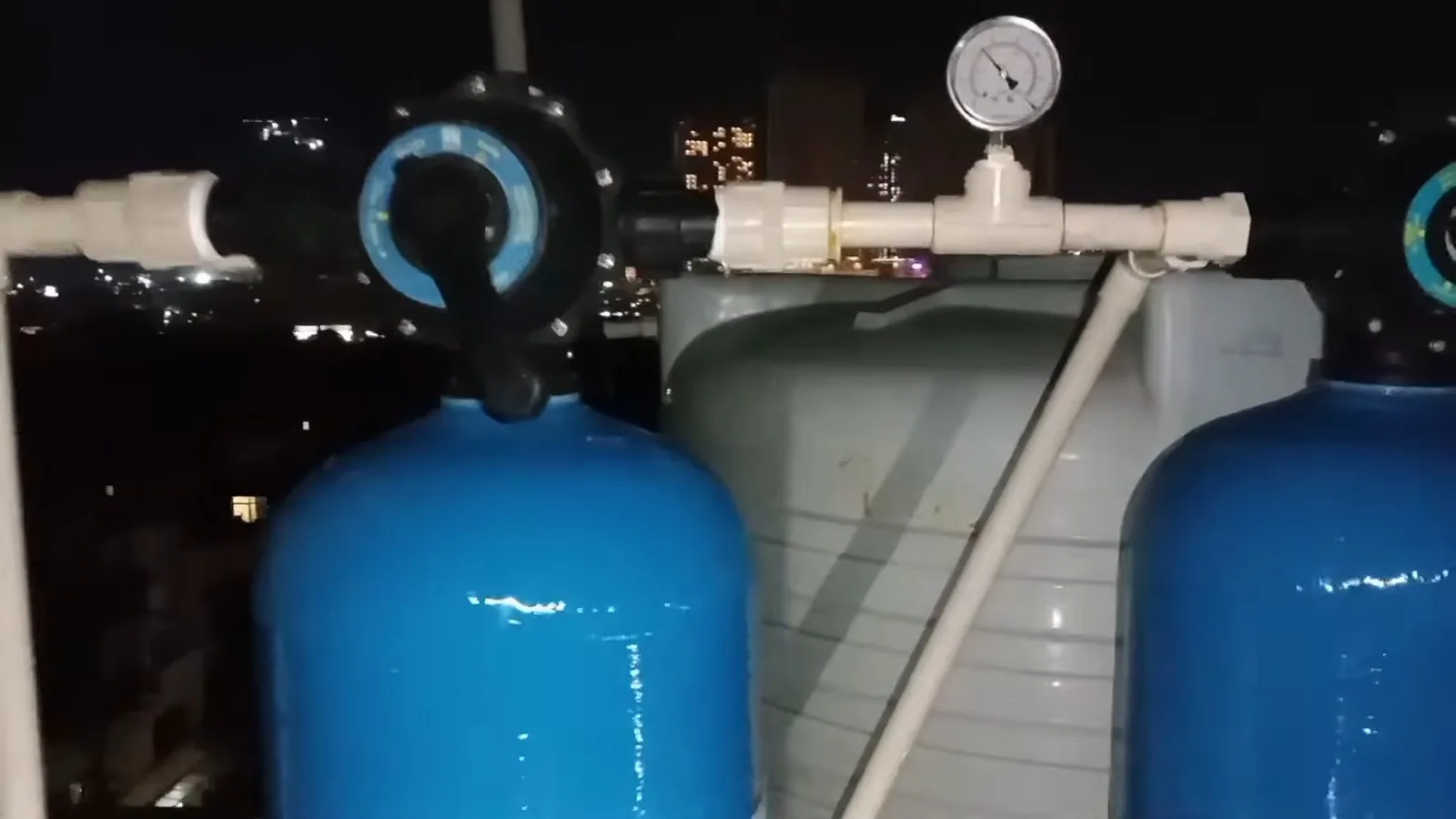
Hard water signs and testing before you buy anything
Hard water carries dissolved minerals that leave scale. Signs include white or chalky crust at faucets and showerheads, spots on dishes, dry skin and laundry that feels stiff. Scale also builds inside water heaters and pipes, where it reduces efficiency over time.
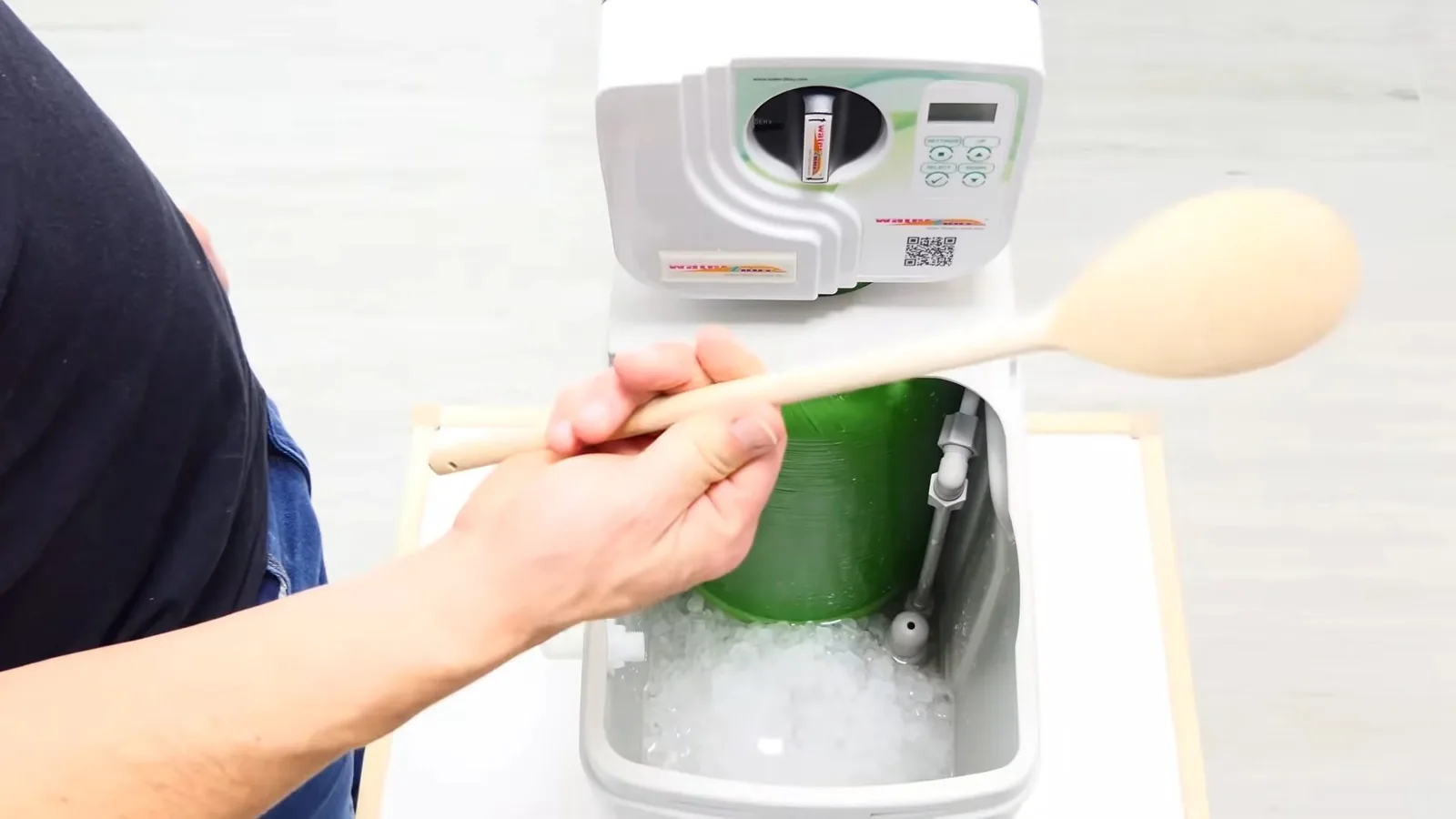
Water in Camp Hill Borough comes through the Pennsylvania American Water Mechanicsburg system, served by the West Shore Regional and Silver Spring plants. The utility publishes water quality reports by ZIP code, and its line at 800-565-7292 can send a printed copy. This page states no hardness figure, so use the report or a home test before sizing a system.
A water test also shows whether the problem is minerals, sediment, chlorine taste or something else. A softener solves minerals and does little for taste, so testing first keeps you from buying the wrong equipment.
Water softener basics: ion exchange, salt and regeneration
A water softener uses ion exchange. Water passes through a tank of resin beads that trade hardness minerals for sodium or potassium. When the beads fill up, the unit regenerates by flushing them with brine from a salt tank, then rinses the waste to the drain.
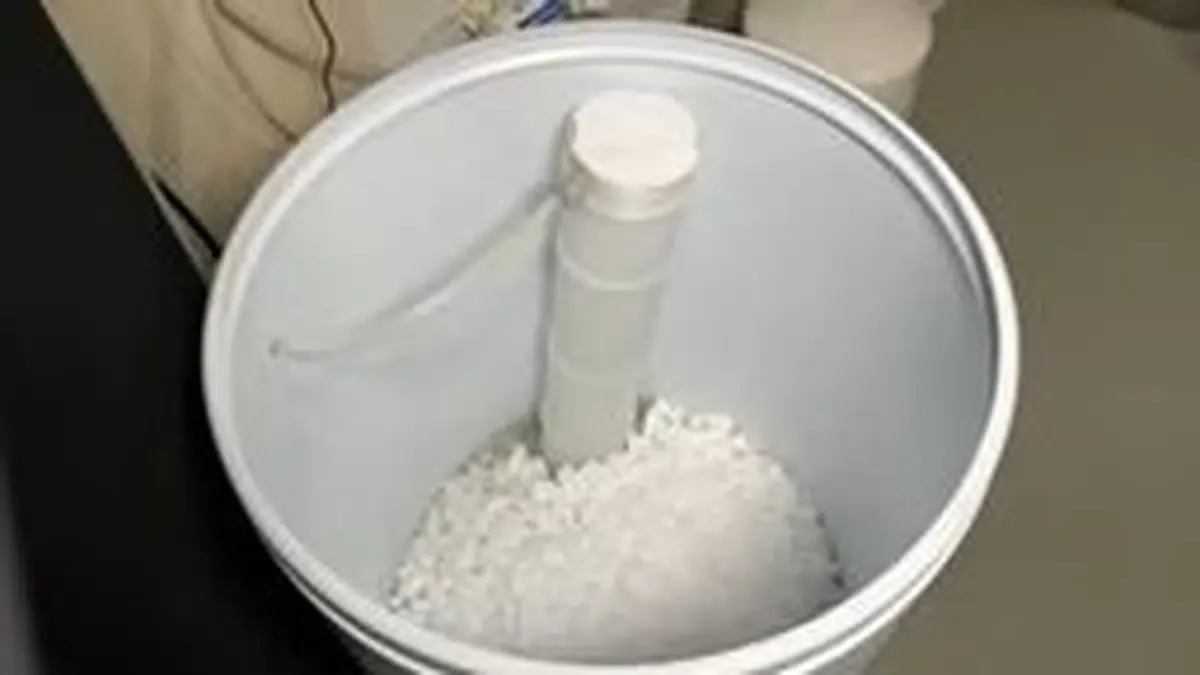
Salt, brine and regeneration are the three things a softener owner needs to understand. Keep the salt tank filled so brine can form, and watch for a hard crust on top, called a salt bridge, that stops the brine from reaching the water. Regeneration timing is a setting, and it should match how much water the household uses.
Water softener companies sell different valve and tank styles, so compare what each system does. Hard water solutions range from a softener to a descaling filter, and the water test decides which one fits.
Water conditioning is a broader term that includes softening and other treatment. Ask the plumber to explain exactly what a system will and will not change, so the result matches the expectation.
Hard water or scale building up?
Call and describe the signs. Dispatch will tell you what a visit and a water test would cover.
Water softener installation: where it goes and what it connects to
A softener is normally installed where the main line enters the house, so every tap and appliance receives treated water. It needs a bypass valve, a drain connection for the regeneration water and an electrical outlet. A good location is level, dry and close to the drain.
The plumber also decides whether to leave outdoor spigots untreated, since lawn watering does not need softened water. Installing a softener ahead of a water heater protects the heater from scale, and the tank repair page explains what scale does to a tank.
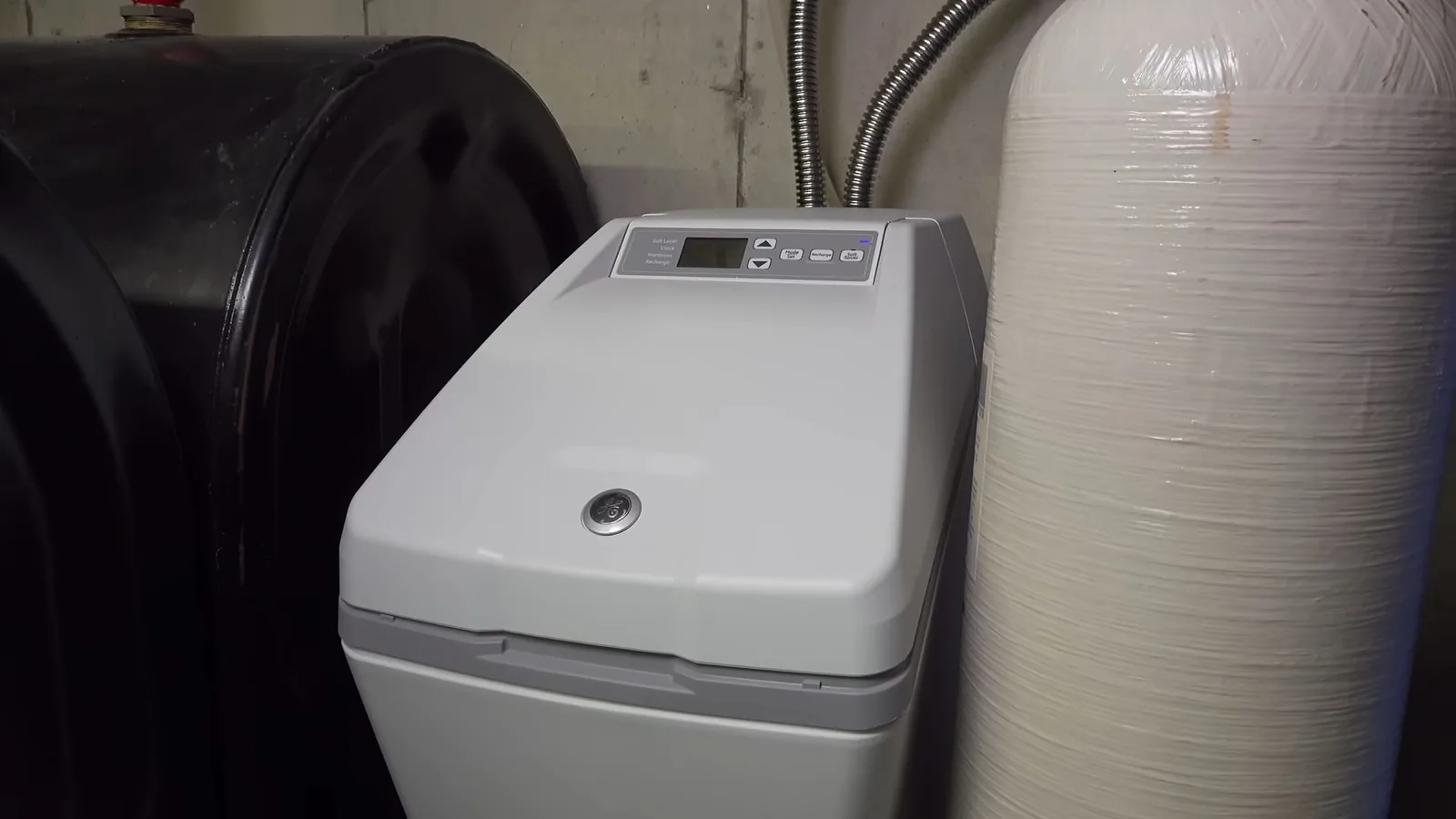
Water softener repair and service
Softeners fail in familiar ways. A unit may stop regenerating, use too much salt or leave hard water in the lines. Causes include a stuck valve, a clogged injector, a failed control board, resin that has worn out and a salt bridge in the tank.
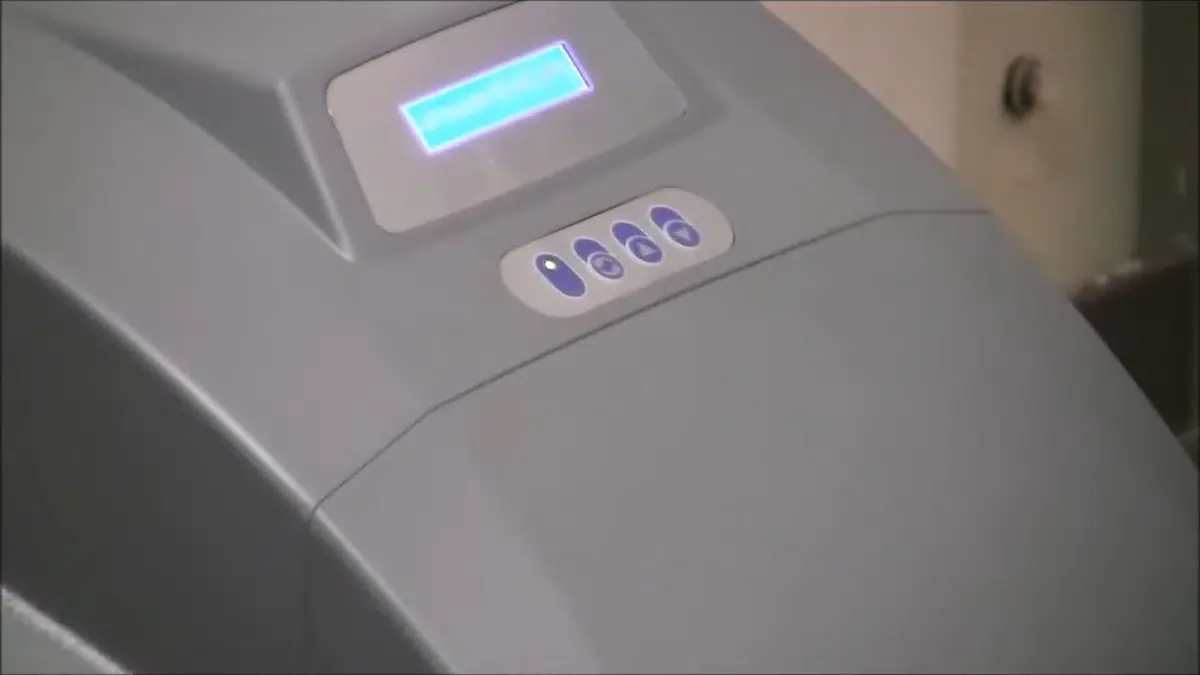
A plumber can test the hardness at the outlet, check the settings and inspect the brine tank and the valve. Water softener repairs are often a part swap, and a unit that is many years old may be near the end of its life. Replacement is worth comparing when several parts are failing.
Water softener maintenance means checking the salt, cleaning the brine tank and testing hardness at the outlet. Water filtration maintenance means changing cartridges on schedule. Water softener installation and service often share a visit, and a water softener install repair job is usually a valve or a control board.
Salt delivery is not a plumbing service, though a plumber can tell you which salt type your unit uses. Filter cartridges and softener media also need replacing on a schedule, so ask what the maker recommends.
Whole-house water filtration for sediment, taste and odor
A whole-house filter treats all the water entering the home. A sediment filter catches sand, rust and grit. A carbon filter reduces chlorine taste and odor. Some systems combine both stages, and some add ultraviolet treatment for microbial control.
In February 2026 the utility told customers in the Mechanicsburg system to conserve water after the West Shore plant went offline, and the order was lifted the following morning. A filter does not replace a utility advisory. During an advisory, follow what the utility tells customers to do.
Filter replacement on a schedule keeps flow strong. A clogged filter drops pressure, so ask the plumber how often the cartridge should change and where to buy the right size.
Reverse osmosis and under-sink drinking water filters
Reverse osmosis pushes water through a fine membrane to remove dissolved solids. It is usually installed under a kitchen sink and delivers a dedicated tap. It also serves the ice maker if the line is connected. Under-sink filters and a whole-house reverse osmosis system treat different amounts of water, so choose by need.
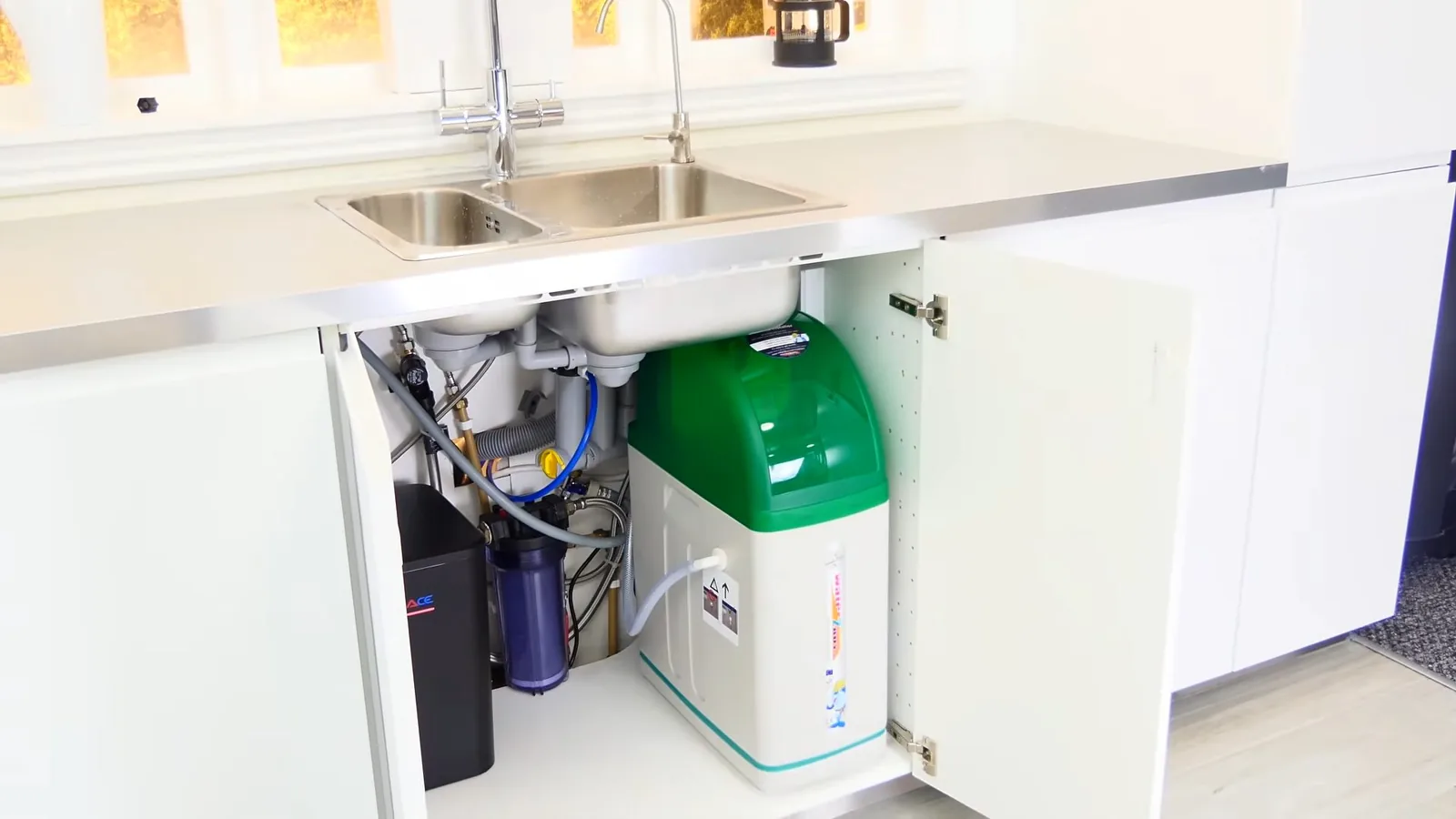
Reverse osmosis system installation puts a reverse osmosis home system under the sink, with its own faucet and a drain connection. A whole house RO system treats every tap but wastes more water. Ask a plumber to install a reverse osmosis system with a shut-off valve, and plan to change each RO water filter stage on schedule.
A reverse osmosis unit wastes some water as it works and needs filters and a membrane replaced on a schedule. Under-sink carbon filters are simpler to run, but they do not remove dissolved minerals. Ask the plumber which fits your concern.
Commercial kitchens, offices and ice machines have their own treatment needs, which the business plumbing page touches on.
Ready to treat your water?
Call and describe what you are trying to fix. Dispatch will say what happens next.
Water softener and filtration questions from Camp Hill callers
Do I need a water softener or a water filter?
A homeowner notices spots on glasses and a crust on the shower head but the water tastes fine. That points to hard water, which a softener handles. If the water tastes of chlorine or looks cloudy, a filter is the better fit. Many homes need both.
How do I fix a water conditioner that has stopped working?
A conditioner that has stopped softening is often a simple fix. Check these before calling:
- Do now: check that the unit has power and the bypass valve is not open.
- Do now: look in the brine tank for a hard salt crust and a low salt level.
- Can wait: replacing resin or a control board, once a plumber tests the unit.
What affects the cost of a water softener or filtration system?
Drivers include the type of system, the size of the household, installation conditions such as drain access and any electrical work. Filter and salt costs over time also matter. The scope becomes clear once a plumber has seen the setup, and the Cost page explains how these pieces fit together.
How does a salt softener regenerate?
Choose between two common styles. A timer-based unit regenerates on a set schedule, which is simple but can waste salt. A demand-based unit measures water use and regenerates only when needed, which saves salt but costs more up front.
How can I tell if I have hard water?
Look for the signs, then test.
- Check for white crust at faucets and showerheads.
- Look for spots on dishes and glassware.
- Notice dry skin or stiff laundry.
- Get a hardness test from a plumber or a test kit.
One caution: scale can come from a failing water heater too, so test before blaming the water.
Call about water softeners and filtration
The same number reaches dispatch for softener service, filtration and reverse osmosis questions.
- Licensed and insured plumbers
- Same-day service when available
- 24/7 emergency dispatch