
Camp Hill, PA · Water line repair
24/7 Emergency Line Open
Low Pressure, Wet Yards and No Water: Water Line Repair in Camp Hill
The first sign is usually small. A patch of lawn stays soggy in dry weather, the water pressure sags, or the meter keeps turning when every tap is off. By the time water stops at the house, the line has often been failing for a while.
Describe what you see to dispatch. A plumber serving your area can explain whether the problem is on your side of the meter or the utility side, and what a repair or replacement would involve.
- Licensed and insured plumbers
- Same-day service when available
- 24/7 emergency dispatch
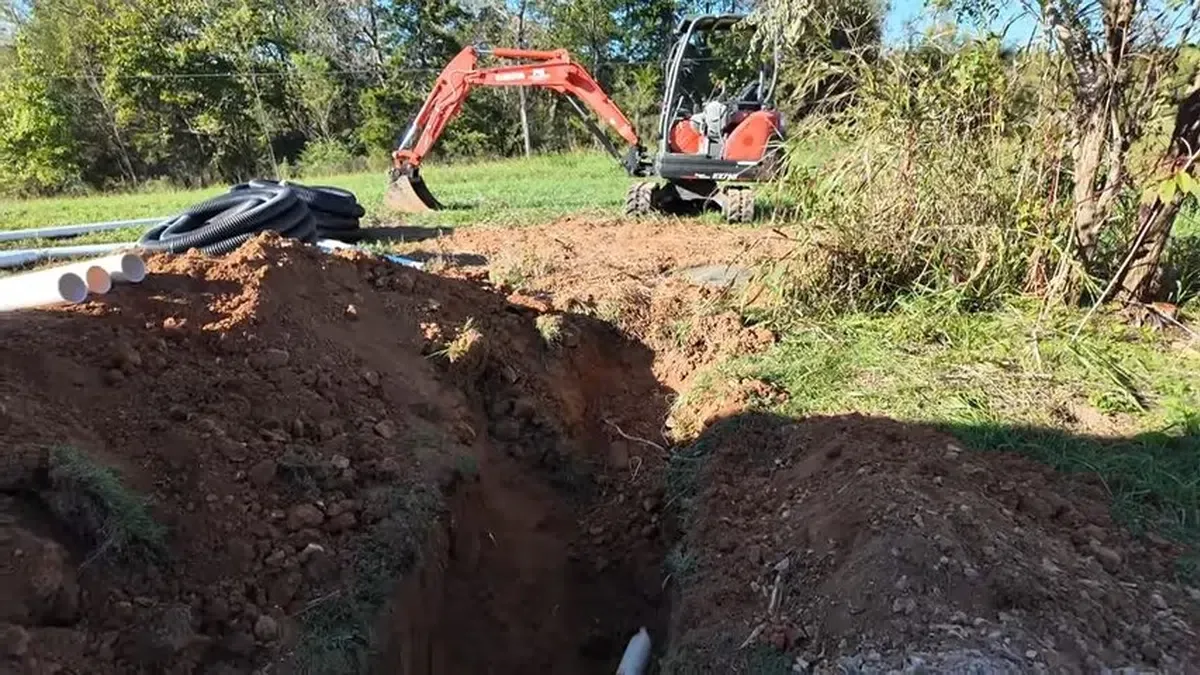
Who owns the water line between the curb stop and the house?
Camp Hill sits in the Pennsylvania American Water Mechanicsburg system. The utility says it owns the part of the service line from the main to the curb stop, a valve found near the street curb or sidewalk. The property owner owns the rest, from the curb stop all the way into the house.
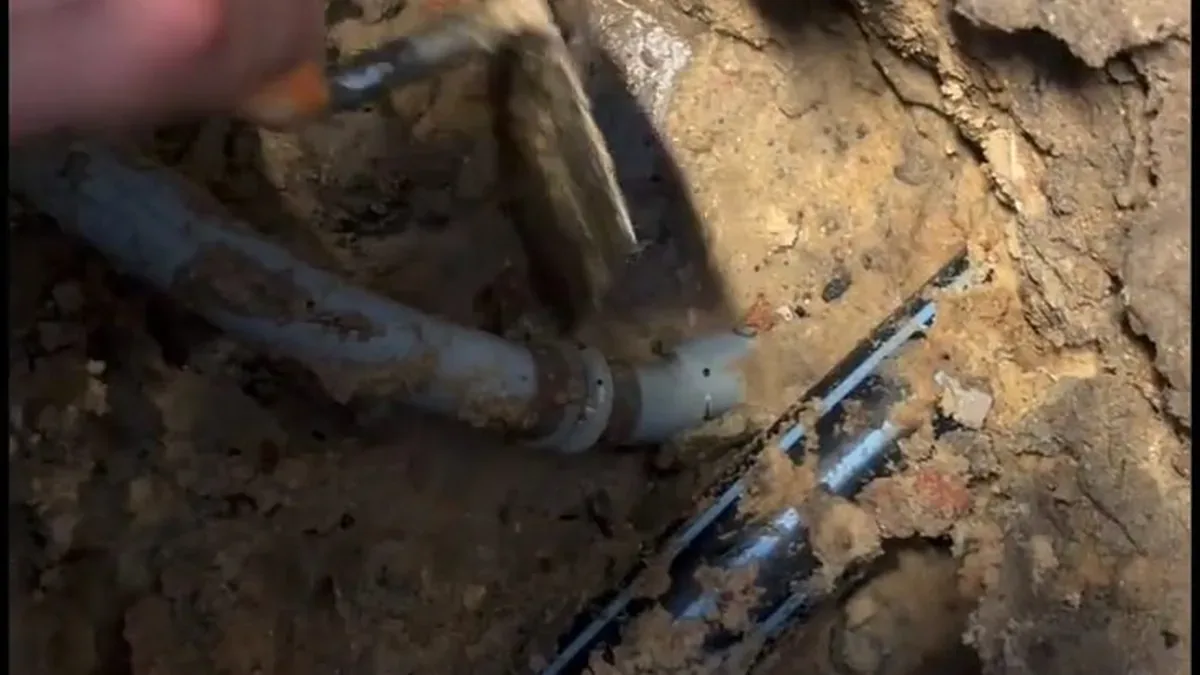
That split matters when something breaks. A leak on the street side of the curb stop is the utility's to fix. A leak between the curb stop and the house is yours, and it is the kind of work a plumber handles. If you are unsure where the line changes hands, call the utility first and ask them to confirm which side the leak is on.
Plumbing service line repair covers the pipe between the curb stop and the house. Water line installation for a new house or an addition follows the same trench steps as a replacement.
The utility also runs a program for lead and galvanized service lines, and it has been contacting customers in the Mechanicsburg area about line materials. Ask whether your line qualifies before paying for a replacement that the program may cover.
Water line replacement: when a new line beats another repair
Replacement swaps the whole run between the curb stop and the house. It makes sense when the pipe is old, when repairs keep coming back or when the material itself is the problem. Galvanized steel corrodes and narrows. Lead lines are a health concern, and a plumber can help identify what the line is made of.
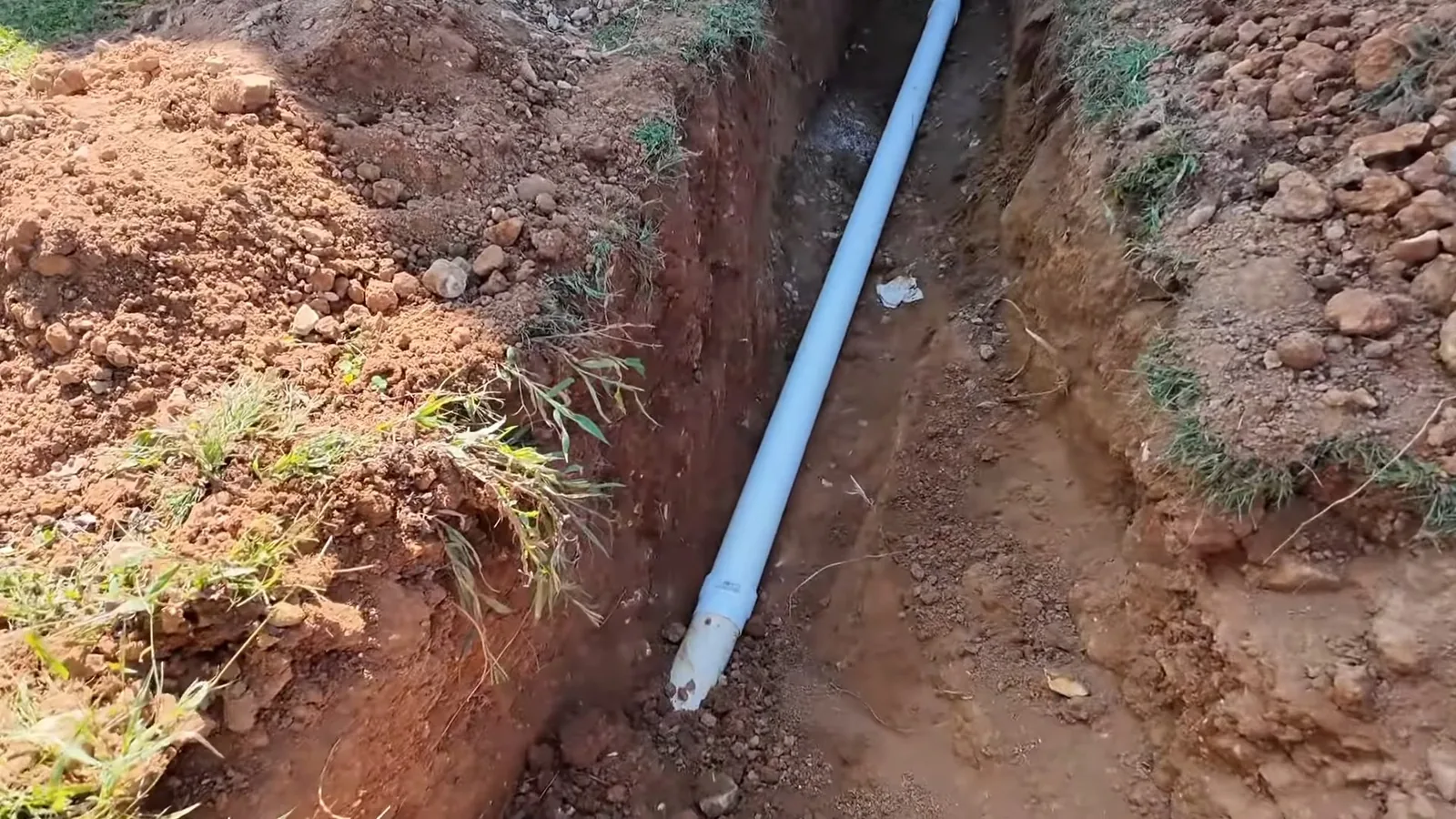
The work usually means digging a trench across the yard, or in some cases pulling a new line through the old one. Trenchless methods avoid a long open cut, though they do not suit every site. A plumber should explain which method fits your yard, driveway and landscaping.
Digging needs a call to 811, the Pennsylvania One Call system, at least three business days ahead so buried utilities can be marked. A contractor hired for the work places that call. Do not dig or authorize digging until the lines are marked.
Water line leaking or no water at the house?
Shut the valve at the meter if you can reach it, then call. Dispatch will tell you what to check.
Water line repair for yard leaks, soggy ground and a spinning meter
A buried leak rarely announces itself with a spray. It shows up as a wet spot, water collecting underground, grass that grows greener along a line, a sound of running water or a meter that keeps moving when nothing is on. A sudden rise in the water bill is another clue.
- Turn off every tap and appliance that uses water.
- Look at the meter dial or the small leak indicator, if there is one.
- If it moves, shut the valve at the house and look again.
- If it still moves, the leak is on the buried line.
- Call, and report what you saw.
Once the line is located, a repair can mean a short section or a new coupling. Pinpointing the break keeps the digging small. How plumbers locate hidden leaks without guessing is covered on the water leak detection page. Emergency water line repair is the same job done urgently when water is running freely.
Low pressure, high pressure and the pressure regulator
Weak pressure at every fixture points to the main line, a partly closed valve or a failing regulator. Weak pressure at one fixture is usually a local clog or a tired aerator. A plumber can test pressure at an outdoor spigot with a gauge and compare it with what the house needs.
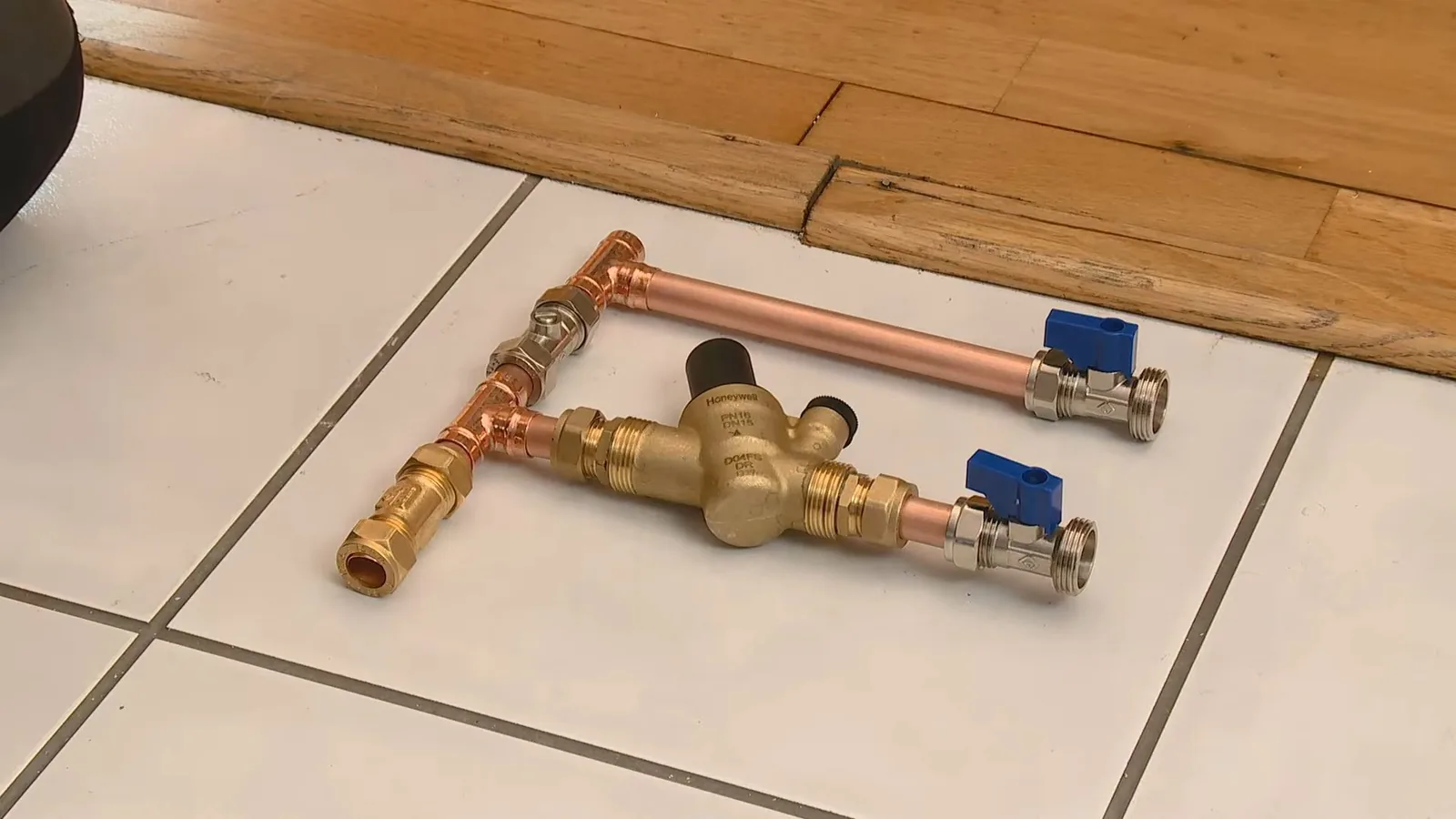
High pressure is the quieter problem. It strains fixtures, shortens appliance life and can cause banging pipes and leaks. A pressure reducing valve, also called a PRV or pressure regulator, brings the supply down to a safe level. When the regulator fails, pressure can swing up or drop without warning.
Replacing a failed regulator is a short job when access is easy. A plumber will test pressure before and after so the result is clear.
Shut-off valves, the water meter and testing the line
Every household should know where the main shut-off is. It is usually where the line enters the house, often near the meter. A valve that is stuck, leaking at the stem or fully corroded is worth replacing before an emergency, since a valve that will not close turns a small leak into a flood.
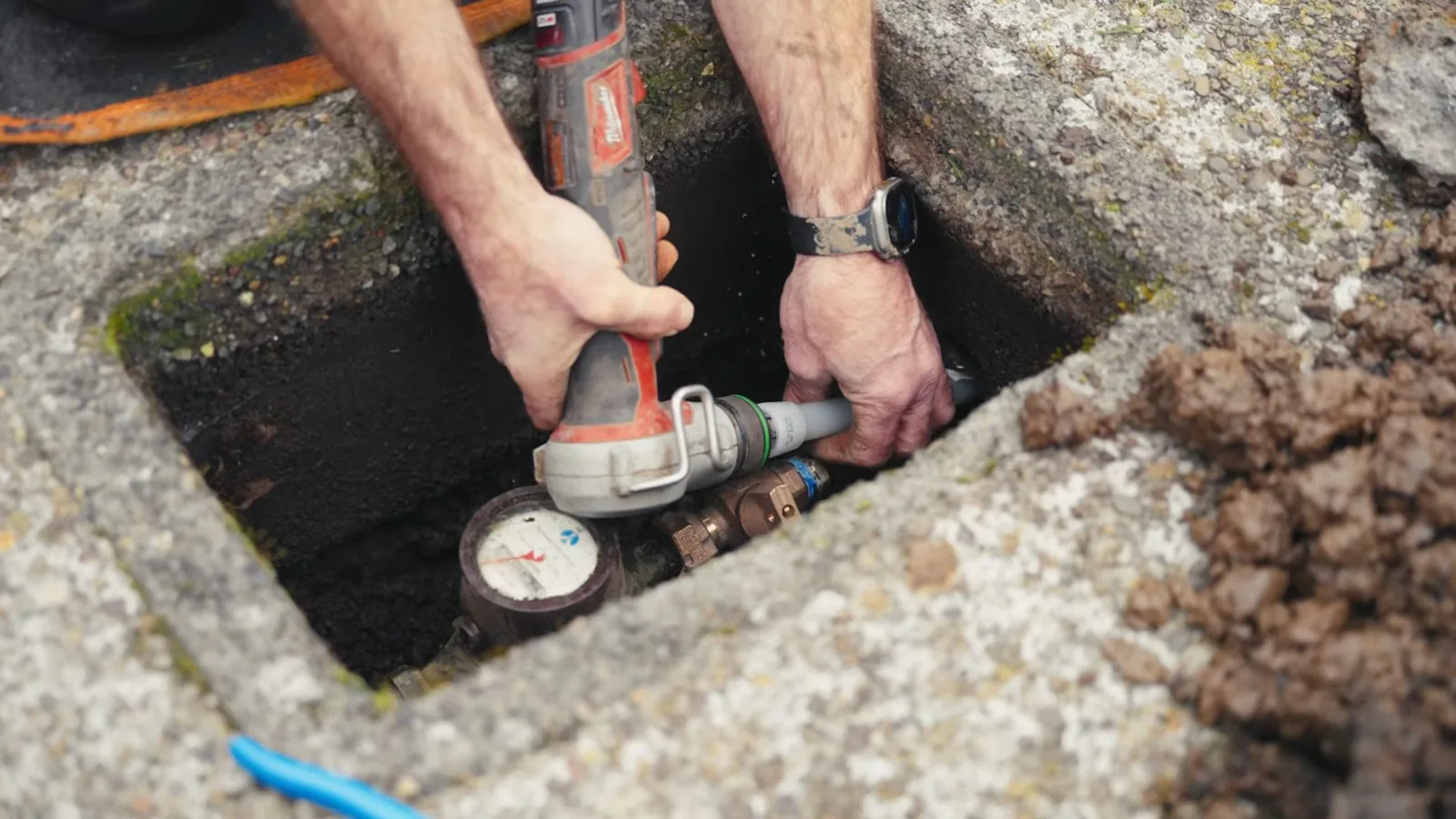
The meter belongs to the utility, so a leaking meter or a damaged meter pit is a call to them. A plumber can check the pipes on the house side of the meter and tell you whether the leak is there.
After a repair or replacement, the line is pressure tested. The plumber holds the new section under pressure and watches for a drop, which shows a bad joint before the trench is filled.
Pressure low or water line suspect?
Call and describe the symptoms. Dispatch will say what a visit would cover.
Water line questions from Camp Hill callers
Who fixes a leak in the yard or at the meter box?
A homeowner finds a wet patch near the front walk and a meter that will not stop spinning. If the wet spot sits between the meter and the house, the line is the owner's and a plumber repairs it. If water is bubbling at the curb stop or the meter pit, call the utility first.
What do I do about a problem with the main water line?
A failing main needs quick action, though a few steps can wait:
- Do now: shut the main valve if water is running freely.
- Do now: note where the water is appearing and photograph it.
- Do now: call a plumber, and call the utility if the leak looks to be on the street side.
- Can wait: planning a replacement, once the leak is stopped.
Who repairs the water line from the curb stop to the house?
Within the Pennsylvania American Water Mechanicsburg system, the utility says the owner is responsible for the service line from the curb stop into the house, so a plumber repairs or replaces that part. The utility handles the section from the main to the curb stop.
What should I check when there is no water at the house?
Two paths are worth comparing. If every neighbor has water and you do not, the problem is probably on your line, so check the main valve and the meter and call a plumber. If neighbors also lost water, the utility may be working on the main, so check its notices first and call only if service does not return.
Call about a water line problem
The same number reaches dispatch for water line leaks, pressure problems and shut-off questions at any hour.
- Licensed and insured plumbers
- Same-day service when available
- 24/7 emergency dispatch