
Camp Hill, PA · Leak detection and repair
24/7 Emergency Line Open
Hidden Water Leaks in Camp Hill: Emergency Leak Detection
Most people expect a leak to announce itself with a puddle. Many do not. Water can run inside a wall, under a floor or along a buried pipe for weeks while the only clue is a bill that keeps rising.
Call the number below. Dispatch will help you work out where the water is likely going, what to shut off first and when a plumber serving your area can look at it. Licensed and insured plumbers handle the work.
- Licensed and insured plumbers
- Same-day service when available
- 24/7 emergency dispatch
Leak repair in Camp Hill: from one worn fitting to a failing run of pipe
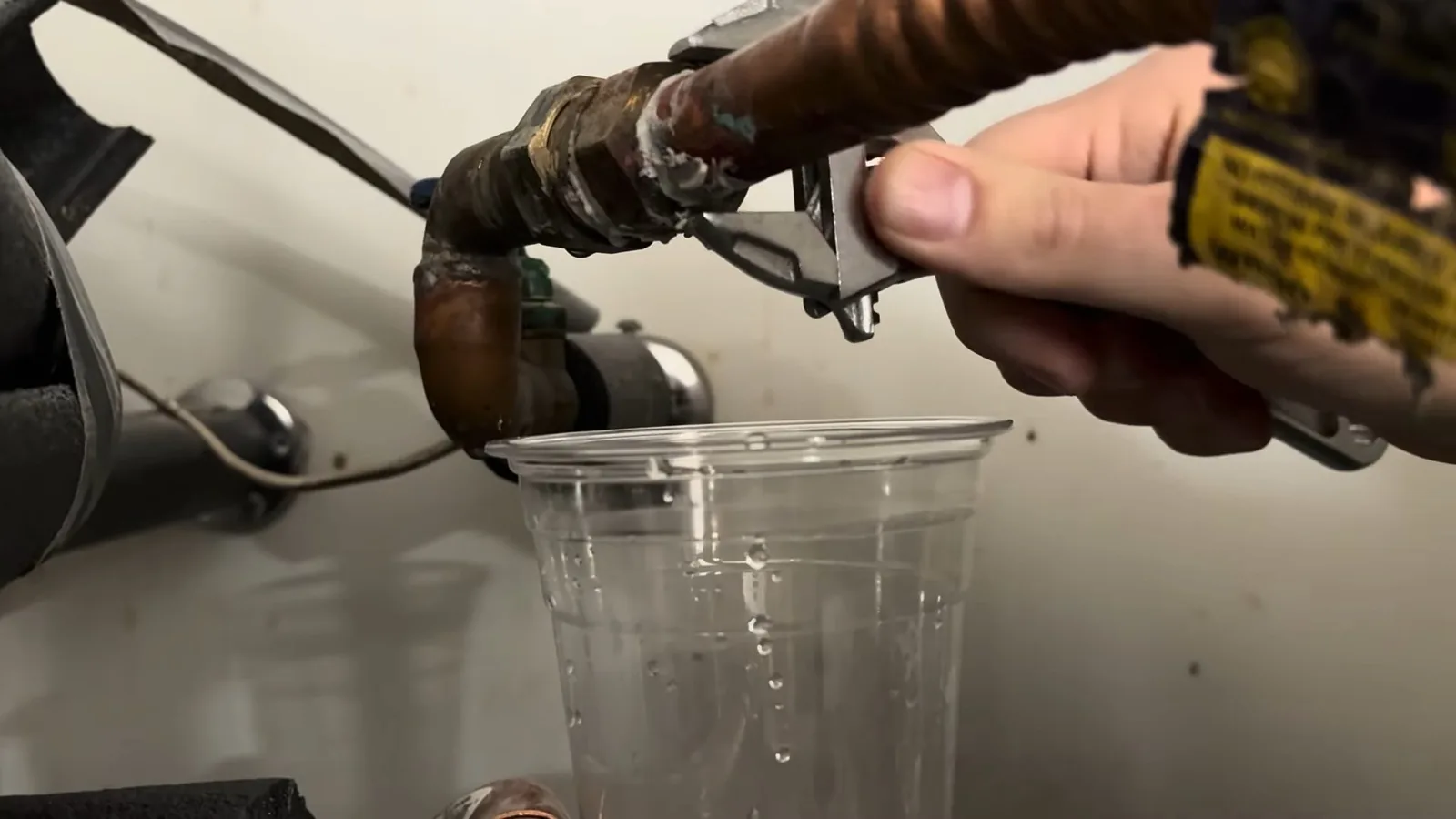
Leak repair is usually less dramatic than the search that comes before it. Once the source is known, the fix can be small, such as a worn compression fitting or a cracked supply hose. It can also be larger, such as cutting out a section of pipe that has pinholed from the inside.
Plumbing leak repair starts with a decision about scope. A single failed joint on an otherwise sound line is a repair. Several leaks along one run of aging pipe are a sign the line itself is finished, and patching each one in turn buys little time. In that case the conversation moves to pipe repair and replacement, and a plumber should explain why before any wall is opened.
- A leak at a visible fitting, valve or hose: usually a same-visit repair when the part is on hand.
- A leak inside a wall or ceiling: the access opening is planned first, so the repair does not become a larger repair.
- A leak along buried supply pipe: the line is located before anyone digs.
Basement leak repair, wall leak repair and fixture repair follow the same order as every other job: find, fix, confirm. Leaks detected and repaired in one visit cost less than leaks that return. Residential leak repair and residential leak detection follow that order too. Water leak repair is also where the first safe move matters most. Close the main shutoff if water is actively spreading, then call. Dispatch can tell you whether to leave the water off or turn it back on for a short time while you wait.
Leak detection services: how a plumber finds a leak you cannot see
Leak detection means locating the leak before repairing it, so the opening in a wall, floor or yard is as small as it can be. A careful plumber narrows the search in steps. First comes a check for visible leaks at fixtures, valves and appliance connections. Next is a test of the whole system, because that tells you whether the leak is on the supply side or the drain side.
If the leak stays hidden after that, plumbers can turn to equipment. These are the methods you will hear about, and it is reasonable to ask which one is planned for your house.
Electronic and acoustic listening
Electronic leak detection uses sensitive microphones that pick up the sound of water escaping under pressure. It works well on pipes in slabs, walls and yards, and it helps pinpoint a spot within a short stretch of pipe.
Thermal imaging
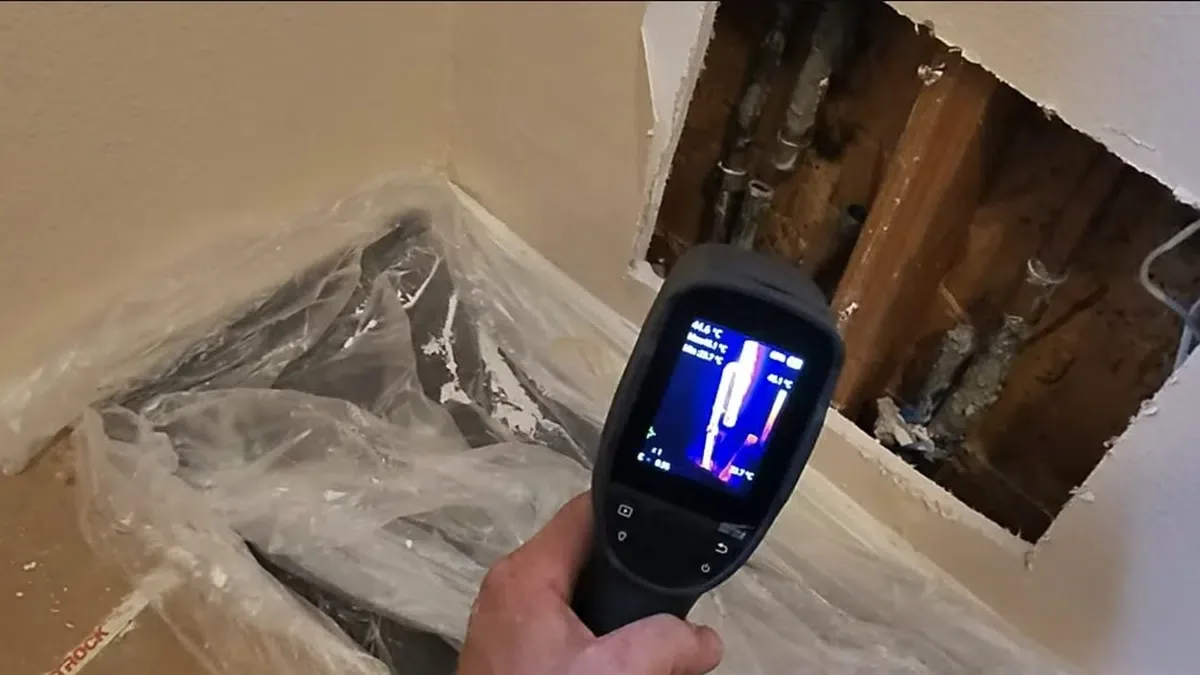
Thermal imaging, sometimes called infrared leak detection, reads surface temperature differences. A hot water leak behind drywall can show as a warm patch. It points to an area, and a plumber confirms it by other means before cutting.
Tracer gas and pressure testing
Helium leak detection fills an isolated line with a harmless tracer gas and sniffs for it at the surface. Pressure testing, also called hydrostatic plumbing testing, holds a line at pressure and watches the gauge. A line that will not hold pressure has a leak somewhere along it.
Sonar, smart monitors and records
Sonar leak detection is a related acoustic approach, often used on larger buried lines. Smart leak detection is different: a flow monitor on the main supply line flags water use that never stops, which helps catch a leak early. Underground leak detection with any of these methods ends with precise leak location, and a good plumber leaves leak location documentation, such as marked photos of the spot and the line it belongs to.
No single method fits every house. Hidden leak detection is most reliable when two methods agree. Whether you call a leak detection company, a leak detection plumber or a general plumber, ask which method they plan to use and why.
Common signs of a leak and what ignoring one does to a house
Common signs of a leak are easy to explain away. Humidity hides leaks, since a damp basement or a steamy bathroom makes a musty smell seem normal. Watch for hidden leaks by looking for the warning signs of hidden leaks listed here.
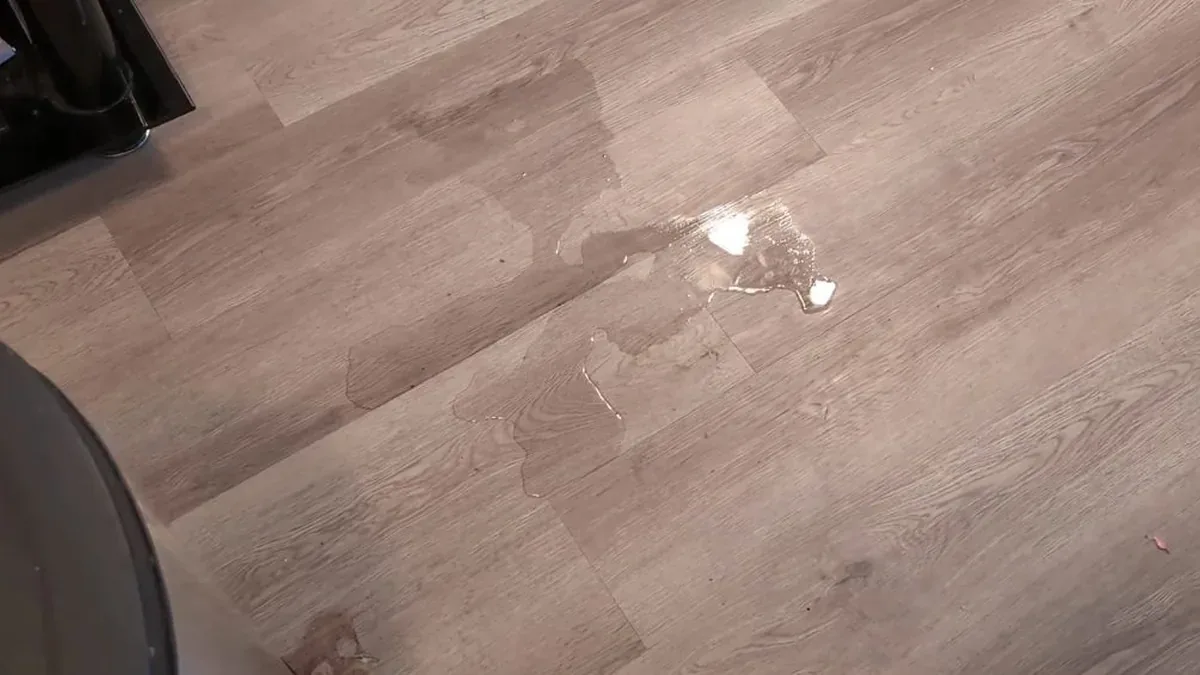
- A water bill or meter reading that rises with no change in habits.
- Hidden leak reducing pressure at fixtures, or a faucet that sputters.
- Stains, bubbling paint or leaky ceilings causing water stains.
- Floors that feel warm, soft or spongy, and baseboards that swell.
- The sound of running water when everything is off.
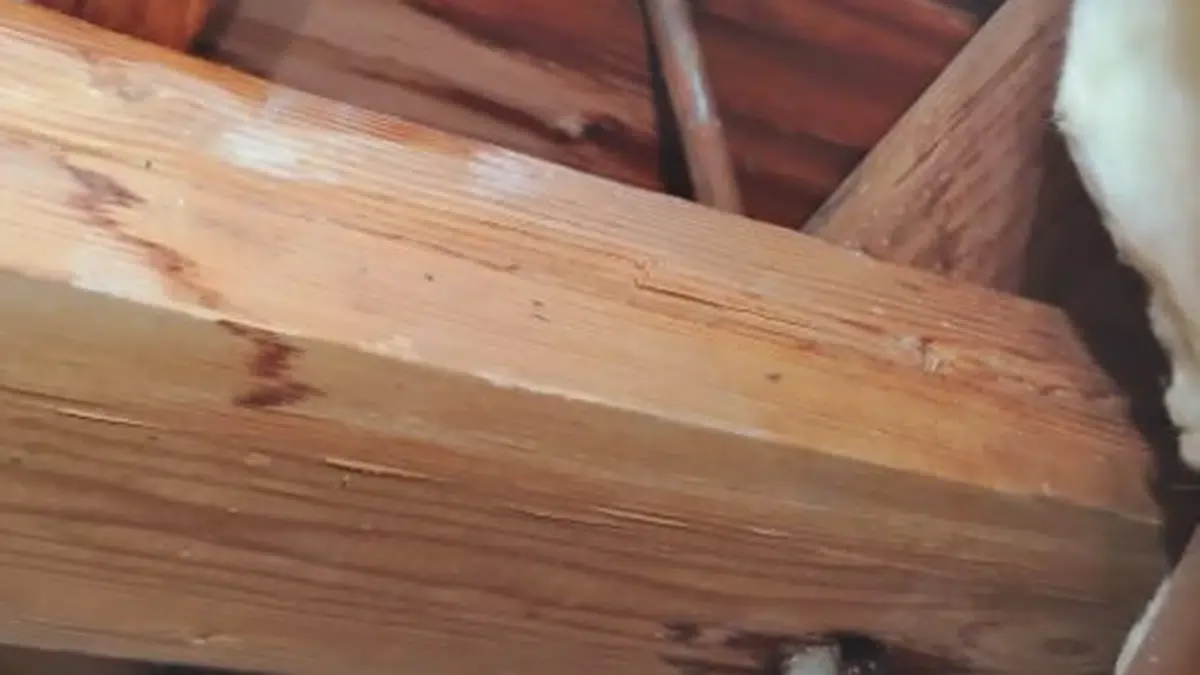
Ignoring small leaks is how a minor repair becomes a major one. Structural damage from prolonged leaks can reach framing and subflooring, and water leaks damaging property structure often stay invisible until a ceiling sags. Leaks and water losses also add up on the bill. Handle small leaks early, and the repair stays small. A plumber who locates the leak, repairs it and explains the cause helps end the leak cycle instead of chasing stains.
Leak detection is risk management for the house: the earlier a leak is found, the less there is to dry out and replace. Leaks found and fixed early also save on the damage that follows a plumbing leak, and the damage caused by ignoring leaks is usually the larger bill. Leak detection and shutoffs go together, so find your shutoffs before you need them.
Suspect a leak but cannot find it?
Describe what you see and hear. Dispatch will help you decide what to shut off and how soon a plumber should look.
Where hidden water ends up: walls, ceilings, basements and crawlspaces
Water follows gravity and framing, so the stain you find is rarely at the leak. A drip from a second-floor supply line can show up on the ceiling below, six feet away from where the pipe actually fails.
Wall and ceiling leaks
A water leaking behind walls often gives away its path first: paint that blisters, drywall that feels soft, or a musty smell with no visible cause. Ceiling leaks usually show as a brown ring that grows after the shower runs. Wall leak repair and ceiling leak repair both begin with locating the pipe above the stain, not patching the stain.
Basement and crawlspace leaks
In a basement, a leak may appear as damp floor joists, rust on a supply line or a puddle that shows up only after a particular fixture runs. Basement leak detection separates a plumbing leak from groundwater seepage by watching whether the damp spot changes when the water is shut off. Crawlspaces and the area under a house work the same way: watch the pipe and the dirt below it.
Common leak problems that a plumber solves on a single visit include a worn fitting, a failed hose and a cracked supply line.
Common leak locations include under sinks, behind toilets, at the water heater, around washing machine and dishwasher hoses, and in the ceiling below an upstairs bath. Leaking around the base of a toilet or a fixture is one of the quickest to check. Water leaking behind walls, leaky pipes causing hidden damage and suspected leaks in a slab, wall or yard all start with the same question: where does the water come from? Underground pipe repair follows only after the line is located. Attic plumbing and pipes in outside walls are worth a look too, since a small leak there can soak insulation for a long time before it reaches a ceiling.
A water bill that keeps climbing: using the meter to find out
Write down the meter reading, then compare it a few days later. Gallons used over several days, with nobody home, are a strong sign of a leak. A bill that suddenly shot up to double what the household normally uses deserves the meter test below. A water bill that creeps up with no change in how the household uses water is one of the most common reasons people call about a hidden leak. The water meter can tell you in a few minutes whether water is moving when nothing should be using it.
- Turn off every faucet and appliance that uses water, including the ice maker and any irrigation timer.
- Find the meter and look at the small leak indicator or low-flow dial.
- If it moves with everything off, water is leaving the system somewhere.
- Close the main shutoff in the house and look again. If the dial stops, the leak is inside the house. If it keeps moving, the leak is between the meter and the shutoff.
That last step matters. A leak between the meter and the house sits on the service line. That is a different repair from a leak inside, and it is handled on the water line repair and replacement page.
A bill alone does not prove a leak. Ask the utility whether the reading was estimated. Camp Hill is in the Pennsylvania American Water Mechanicsburg system, and the utility can walk you through its own billing records.
Toilet, faucet and appliance leaks that stay quiet
Not every leak is hidden in a wall. Silent toilet leaks can waste a lot of water without a sound, because the flapper lets water slip into the bowl a little at a time. Inspect toilets for silent leaks by dropping a few drops of food coloring in the tank and waiting. If color shows in the bowl without flushing, the flapper or fill valve needs attention.
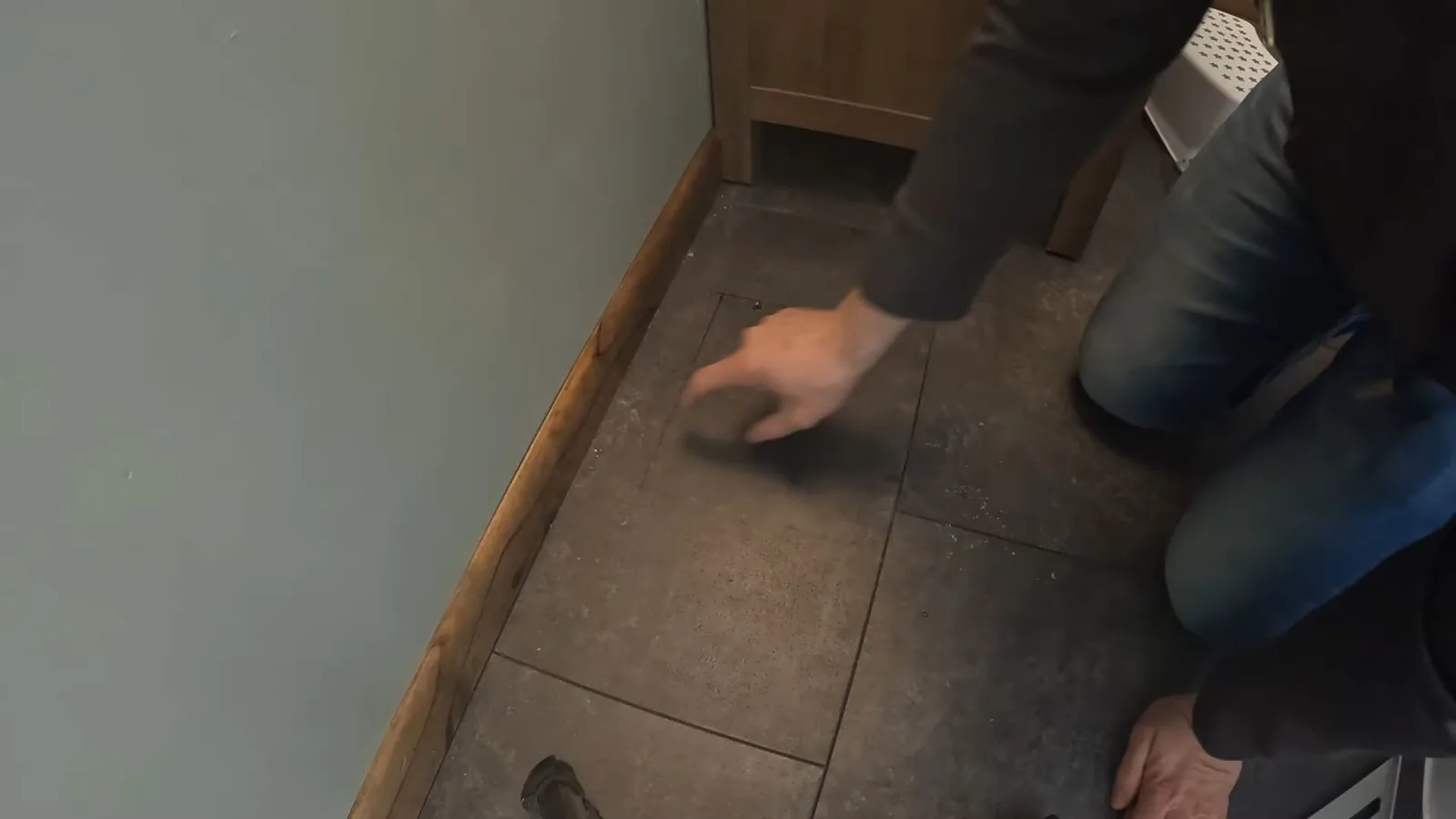
Call a plumber for a toilet leak, a leaking toilet at the base or a leaky faucet repair, and ask the plumber to fix a leaky faucet at the same visit if more than one fixture drips. Dripping faucets, leaking supply hoses and failed appliance connections are the same story at a smaller scale. A leaking dishwasher line or washing machine hose can soak a cabinet base or a floor and go unnoticed for weeks. That is why appliance leak cleanup is often a bigger job than the repair itself.
When the problem is the fixture rather than a pipe, the work belongs to faucet and toilet repair. If water has already reached floors or drywall, see water removal and drying.
What a plumbing inspection looks at before anything is opened
A plumbing inspection is a look at the condition of the system, and it is useful even when nothing is leaking yet. A plumber checks visible supply lines, shutoff valves, fixtures, drain connections and the water heater area for corrosion, mineral buildup and weeping joints. The goal is to catch small leaks early, while the fix is still small. Leak history matters too, so tell the plumber about past repairs, stains and any earlier leak at the same spot.
Ask for a plumbing system inspection when you buy an older house, before a bathroom remodel, or after a freeze or a flood. A written list of what was checked and what was found is more useful than a verbal summary.
A plumber who inspects the relevant plumbing systems, from supply lines to drains, also notes anything that is close to failing. Plumbing leak inspection and plumbing inspection services are often a first step, and pressure testing of plumbing lines can follow if something looks wrong. The same visit can include hydrostatic plumbing testing on a line you doubt, plus sewer camera inspections before repairs if a drain line is part of the question. Those drain-side questions are handled under drain cleaning and sewer line repair.
Water is where it should not be?
If it is spreading now, close the main shutoff and call. If it is slow, call anyway and ask whether it can wait.
Why Camp Hill homes can hide leaks for a long time
Plenty of houses in the borough date from before 1950. Supply lines from that era may be galvanized steel or early copper. Both can pinhole from the inside, so the pipe fails in a spot nobody ever sees.
That does not mean every older house leaks. It means a plumber should look at the pipe material and age during any leak visit. The plumber should also say whether the leak is a one-off or a pattern.
Water source matters for clean-up too. Pennsylvania American Water supplies Camp Hill Borough, and callers can request the utility's quality report for a ZIP code at 800-565-7292. If a leak shows up alongside discolored water, check the utility notices before assuming the problem is only inside your walls.
Rentals, condos and commercial buildings with a leak
If you manage a property, say so on the call. A leak in a rental unit, a condo or a multifamily building raises extra questions, such as which unit is affected, whether tenants are home and whether the shutoff serves one unit or the whole building.
A leak in a shopping plaza or other commercial space is handled the same way at first, with the shutoff and the location. Larger commercial systems are covered under larger building plumbing.
Leaks that cannot wait, and the leaks around them
Treat the leak as urgent when water is moving through a ceiling, running near electrical outlets, or coming from a pipe you cannot isolate. Emergency water leak repair and emergency leak detection are both available through the same dispatch line, and same-day service depends on the hour and the address. For emergency, same-day and after-hours plumbing in general, see the emergency plumber page.
This page also covers the leaks people ask about alongside the main ones: ceiling and wall leaks, leaks under the house, basement leaks and leaks at toilets and faucets. Irrigation and sprinkler leaks, including sprinkler system leak repair and leak detection for irrigation systems, belong to a different trade, so a plumber will usually point you to an irrigation contractor for those.
Leaks that start in a pipe under the foundation floor are covered under slab leak detection. Bursts and frozen lines are covered under repiping and pipe repair.
Leak detection questions from Camp Hill homeowners
Do I need a plumber for water leaks?
Yes, when the water is moving, the source is unknown or the leak is inside a wall, because a plumber can stop the damage and the guesswork. A drip at a visible fitting you can reach is the exception, and many people tighten or replace a part themselves. Anything behind a wall or under a floor needs someone who can locate it first.
Should I use thermal imaging or an electronic leak locator?
Thermal imaging suits a hot water leak behind drywall or a ceiling, where a warm patch shows on the surface. An electronic leak locator suits a pipe you cannot see at all, such as one in a slab or yard. It listens for the sound of escaping water.
Pick thermal imaging when the stain is on a wall and the pipe is hot. Pick electronic listening when the leak is buried. Many leaks need both to agree.
Can I get emergency leak detection the same day?
Dispatch answers around the clock. Same-day arrival at your address depends on the time of day, the kind of leak and where plumbers happen to be. The dispatcher gives you a straight answer during the call.
Camp Hill is close to Lemoyne, Lower Allen and New Cumberland, which helps with arrival time but does not guarantee it. Close the main shutoff first if water is spreading.
How do I repair a leaking pipe until a plumber arrives?
Follow these steps to limit damage:
- Close the main water shutoff, then open the lowest faucet to drain the lines.
- Cut power at the panel only when you can get to it without standing in water.
- Place a bucket under the drip and move belongings out of the wet area.
- Photograph the leak and the damage before cleanup.
- Call dispatch and describe where the water is coming from.
Do not wrap a leaking pipe with tape and leave it. A wrap is a stopgap, and the pipe still needs repair.
Call about a leak today
One call to the number below reaches dispatch for leak detection, leak repair and the hidden-water questions that go with them.
- Licensed and insured plumbers
- Same-day service when available
- 24/7 emergency dispatch