
Camp Hill, PA · Water damage restoration
24/7 Emergency Line Open
Flooded Basement or Soaked Floors in Camp Hill: Emergency Water Damage Restoration
A common belief is that wet floors and walls will dry on their own if the water is mopped up and the windows are opened. Moisture stays in drywall, padding and framing long after the surface looks dry, and that hidden dampness is what causes the lasting damage.
Call the water damage line as soon as water has spread. Help serving your area can start with removal and drying, which is the work that limits the damage.
- Licensed and insured plumbers
- Same-day service when available
- 24/7 emergency dispatch
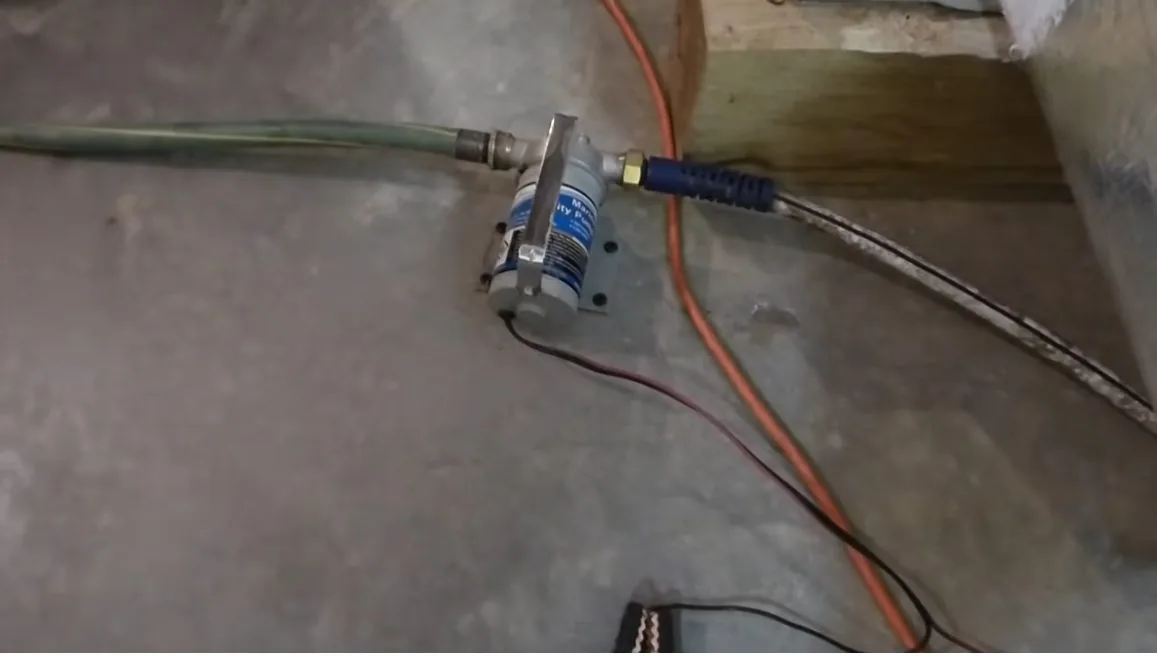
Mold after water damage: testing, inspection and what drying prevents
Mold needs moisture, and wet building materials supply it. Growth can begin within a day or two in warm, damp conditions, which is why quick drying matters. Musty odors, dark spots on drywall and a damp feeling in a closed room are signs to take seriously.
Mold testing and inspection can show whether growth has started and where. It starts with a moisture reading and a visual check, and sometimes air or surface sampling. Testing answers a question. It does not remove anything.
Mold removal is a separate trade from water extraction and drying. This page covers the water and the moisture. Ask any provider to explain, in writing, what they will and will not do, and keep the testing report if you need to share it with an insurer.
Damage assessment and major loss inspection
A major water loss assessment at a vacant home matters for an insurance file, since nobody was there to notice the leak. The assessment records moisture readings and photographs before drying begins. Property water damage restoration begins with that same record.
The first visit is an assessment. Someone checks where the water came from, how far it traveled and what it touched. Moisture meters show wet material behind a surface that looks dry. A thermal camera can trace a wet area through a wall without cutting it open.
A large loss, such as a whole floor, a vacant house that has sat wet for days or a property with several units, needs a fuller inspection. The result is a plan: what to remove, what to dry in place and what equipment to bring.
Water is sorted by how clean it is. Clean water from a supply line is the least risky. Gray water from a washer or dishwasher carries more contamination. Black water from sewage or floods can carry disease. The category decides what can be dried and what must go.
Water spreading through the house?
Call the water damage line now. Dispatch will tell you what to do while help is on the way.
Flooded basement, crawl space or whole-house flooding: first steps
A burst pipe under a sink needs water extraction as soon as the supply is shut off. Emergency water extraction after a bathroom leak or a collapsed ceiling follows the same order: stop the source, remove standing water, then start drying.
Safety comes before cleanup. Water and electricity do not mix, so stay out of standing water if outlets or appliances may be live. Turn off power at the panel only if you can reach it without stepping into water. If you are unsure, call and wait outside.
- Stop the source if you can, by closing the shut-off valve or the main.
- Keep out of standing water near electrical outlets and cords.
- Move furniture, rugs and valuables to dry ground.
- Photograph the water and the damage before you move anything.
- Call the water damage line and describe how deep the water is.
A flooded basement is often a drainage problem as much as a plumbing one. Once the water is out, check the drain, the floor drain and any pump. The drain cleaning overview explains clogged basement drains and pit pumps. A crawl space needs the same quick removal, because wet insulation and framing stay damp for a long time.
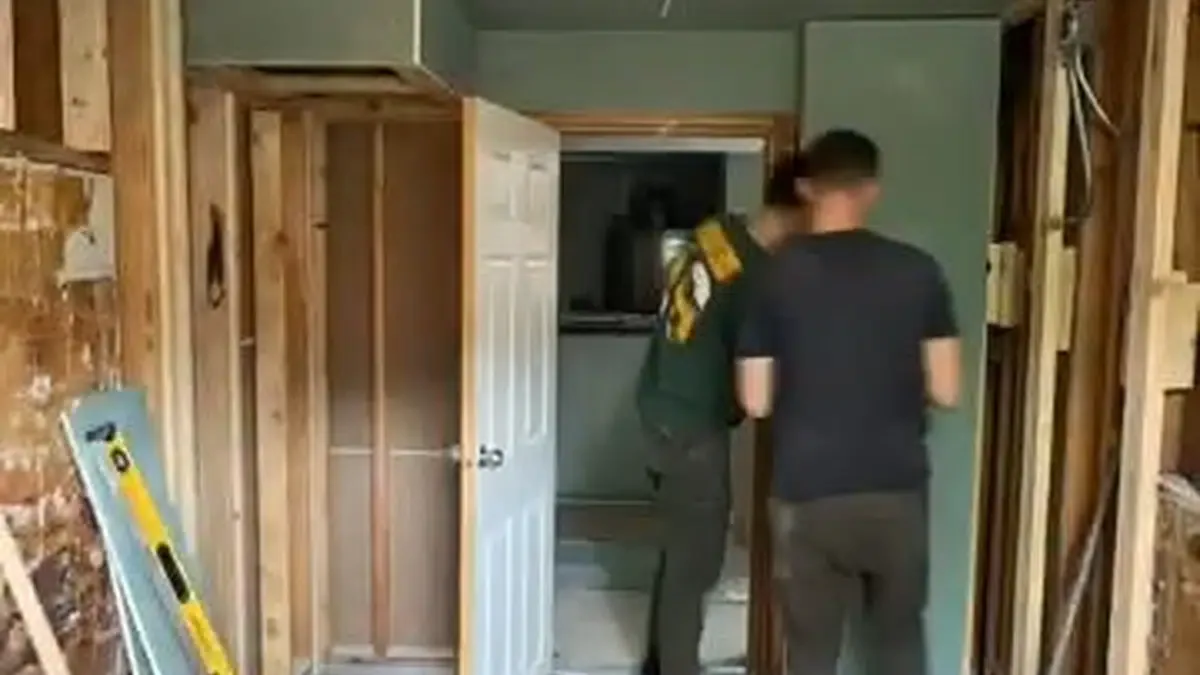
How a water damage job works from the first call to dry
The sequence is steady. The call establishes where the water is and whether the source is stopped. Help arrives, assesses the damage and removes standing water. Wet materials that cannot be saved, such as soaked padding or ruined drywall, are taken out. Drying equipment is set and moisture is checked until readings return to normal.
Drying takes days, not hours, and equipment stays running between visits. Readings are taken on each visit, and the job is finished when the materials reach a dry standard. Rebuilding walls and floors after drying is a separate job. Smoke and soot cleanup is a different trade.
Ask for a plain list of what was removed and what was dried in place. That list helps if an insurer asks questions later, and it keeps surprises off the final bill.
Water extraction and removal: getting the standing water out
Water extraction is the first physical step. Submersible pumps handle deep water, and truck-mounted or portable extractors pull water out of carpet, padding and hard floors. Speed matters, because every hour water stays in place lets it travel farther into walls and subfloors.
Emergency water removal can happen at any hour, and the call confirms how soon help can arrive. Describe how deep the water is, what floor it is on and whether any water is still coming in. That detail decides what equipment to bring.
After extraction, a damp surface is not a dry one. Extraction is the first half of the job, and drying finishes it.
Drying equipment: air movers and dehumidifiers
Drying equipment works as a system. Air movers push dry air across wet surfaces, and dehumidifiers pull moisture out of the air so it can keep absorbing more. Some jobs add injection drying to push air into a wall cavity or under a floor.
Equipment is placed by moisture readings, not guesswork, and it is moved as the readings change. A fan that blows on a wet wall with no dehumidifier only moves moisture around.
Air movers and dehumidifier rental after rain flooding is a common request, and renting a fan does not replace a moisture check. The meter tells you whether the structure is dry. Feel and smell do not.
Plumbing leaks that soak a house
Frozen pipe burst water damage often spreads through a ceiling or wall before anyone sees it. Shut the main supply and call at once, because the water keeps moving until the supply is off.
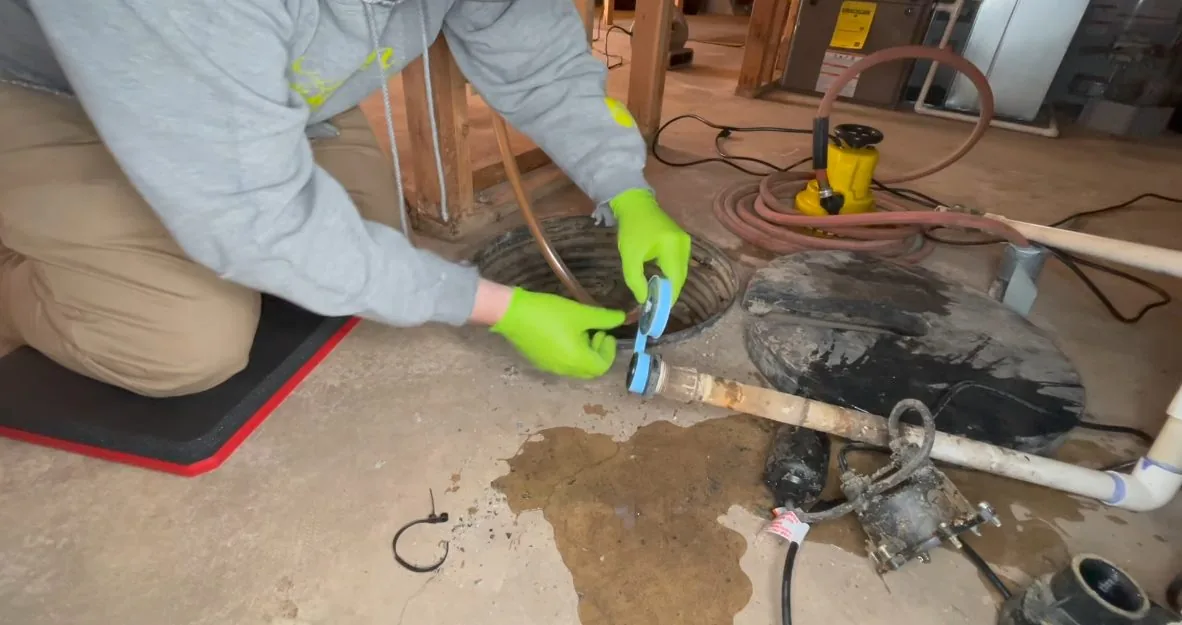
Many water damage calls start with a plumbing failure. A pipe splits, a supply line fails, a water heater tank gives way or a fixture overflows. Water damage from leaking pipes can be sudden or slow. A slow leak behind a wall is often found only after stains, odors or mold appear.
Stop the water first, then fix the cause, or the damage returns. A plumber repairs the source, and the burst pipe repair page explains what that involves. A hidden leak needs finding, and the leak detection page covers how. A failed tank is a tank repair question, and a pipe under a slab is covered by slab leak work.
A line that fails between the curb and the house is a service line repair job. Repeated leaks causing water damage are a sign that the pipes themselves may be failing.
Leaks from roofs, ceilings, air conditioners and irrigation
Not every wet ceiling comes from a pipe. Roof leaks, ice dams, a failed air conditioner drain pan and a sprinkler line that breaks can all soak a home. The water may enter far from where the stain appears, because it runs along framing before it drips.
Water extraction and drying work the same way whatever the source. Fixing the roof or the air conditioner is a different trade, and a plumber cannot repair a roof. Tell dispatch where you think the water is coming from so the right help is arranged.
A damp closet from a neighbor's sprinkler or a wet ceiling in an apartment still needs drying. Stopping the source and starting the dry out are separate steps, and both should begin soon.
Sewage backup cleanup: a different level of risk
Sewage is black water. It can carry bacteria and other contaminants, and it should not be handled with household supplies. Porous materials such as carpet, padding and drywall that touched sewage usually have to be removed instead of dried.
If sewage is coming up from a floor drain or a toilet, stop using water in the house and keep everyone, especially children and pets, away. The cause is a plumbing problem, which the sewer line repair page explains. The cleanup is a separate step and should wait until the source is stopped.
Sewage backup cleanup and sewage backup services follow strict handling steps, including protective gear and careful disposal. Do not attempt it yourself.
Floors, carpet and walls: what dries and what goes
Flooded closet carpet and pad from a neighbor's sprinkler or a unit above is a common condo call. The pad usually comes out first. The carpet may be saved if it is lifted and dried quickly.
Wet carpet and padding can often be dried if the water was clean and the response was fast. Padding is the weak point, since it holds water and breaks down. Hardwood floors may cup or buckle as they absorb moisture, and drying equipment can sometimes save them if work starts early.
Drywall that has soaked up water often needs cutting out at the wet line. Insulation in a wall that has been soaked is usually removed, because it holds moisture. Flooring and carpet damage depend on the type of floor, how long it stayed wet and how clean the water was.
A moisture reading before and after drying shows what really happened. Ask for the numbers instead of relying on how a surface looks.
Storm, river and rain flooding near Yellow Breeches Creek
Near Camp Hill, the Yellow Breeches Creek gauge run by the National Weather Service puts flood stage at 7 feet. The creek crested at 10.3 feet on June 21, 2015, after 2 to 3 inches of rain fell in a few hours. A 2009 flood rose about 8 feet in roughly 8 hours, and the last flood listed at the gauge was November 1, 2019.
Heavy rain can send water into a basement within hours. After a storm, check low rooms, window wells and floor drains before the water spreads. Storm damage to a roof or siding is a different trade, and the water that comes in still needs removal and drying.
Basement waterproofing and foundation inspection are separate from drying. A plumber can look at the drains and the pumps, and a waterproofing contractor handles sealing and foundation work. Ask a basement waterproofer to explain what was found before agreeing to any repair.
Insurance claims, condos and commercial properties
Insurance claims go more smoothly with good records. Photograph the damage before moving anything, keep a list of damaged items and save receipts for any emergency work. Call the insurer early, since many policies require quick action. A public adjuster is a separate professional who helps with claims, and this site does not provide one.
Condominiums and apartment buildings add questions about who owns what. A leak in one unit can damage others, and the association or landlord may be part of the claim. Tell dispatch whether you own or rent, and whether other units are affected.
Commercial water damage follows the same steps with larger equipment and more coordination. The commercial plumbing page covers business buildings. Water damage to a boiler or a furnace should be checked by the right trade before restart.
Cleanup, mitigation and remediation: what the terms mean
Water damage restoration is the broad name for the work. Water mitigation and water damage mitigation mean stopping the spread and drying the structure. Water remediation, water damage remediation and water restoration describe the same stage, and flood cleanup and flood damage cleanup are the same work after a flood. Flood restoration and flood damage restoration also cover pumping out a flooded basement, and emergency flood repair means pumping first.
The water damage restoration process runs from stopping the source to confirming dry readings. A water damage restoration company or water damage company should explain what it will do and what it will not. Ask a restoration contractor, or any water damage cleanup contractor, for a written scope. Residential water damage restoration covers homes, and commercial water damage restoration covers businesses.
Water damage repair, such as replacing drywall or flooring, comes after drying. This page covers removal and drying, and repairs belong to a separate job. Carpet water damage repair and carpet water damage restoration depend on how clean the water was. Hardwood floor water damage repair, hardwood floor water damage restoration and wood floor water damage repair only work when drying starts early. Flooring water damage restoration, kitchen water damage repair and bathroom water damage repair follow the same order: remove the water, dry the structure, then rebuild.
Ceiling water damage needs inspection before repair, because a wet ceiling can hold water above it. Ceiling water damage inspection, ceiling water damage repair and water damage appearing near walls all begin with a moisture reading. Roof leak water damage and roof leaks causing interior damage are a roofer's repair, while drying what got wet belongs here. An ice dam can push water under shingles, and ice dam water damage shows up as stains along exterior walls. Roof leak detection and storm and wind damage restoration are roofing and exterior trades.
Persistent leaks causing water damage, frequent leaks causing water damage and leaky pipes causing water damage add up quietly. Water damage from leaky pipes and broken pipe water damage repair both begin by stopping the source. Burst pipe water damage cleanup and burst pipe whole house flooding mitigation need the same order, and slab leak water damage restoration begins with locating the leak. Water damage and leak response is fastest when the leak is found early.
Unpleasant odors from water damage and unpleasant odors after water damage mean something is still wet. The extent of the water damage, a full water damage assessment and a plan that stops ongoing water damage are the goals of the first visit. Unattended home water damage, such as a vacant house with a break, can be extensive by the time anyone arrives. Water damage after firefighting is still water damage, so extraction and drying apply, while smoke and soot cleanup is a different trade. Flooding from any plumbing source is treated the same way.
Water damage insurance claims assistance is mostly about records, and burst pipe insurance claim help starts with photos and a list of damaged items. Water damage mitigation coordination means the drying work is documented as it happens. Water damage category coverage depends on whether the water was clean, gray or black, as described above. Basement waterproofing specialists and waterproofing basement companies handle sealing and drainage, and a waterproof basement is a separate project from drying a wet one.
If you need water damage restoration, call at once. Need immediate water damage restoration or urgent water damage restoration services? Water damage restoration is available at any hour through the water damage line, so get immediate water damage assistance by describing how far the water has spread. Sewage clean up and flood water extraction need a different level of protection from ordinary leaks, so say what kind of water it is.
Need water removal and drying?
Call the water damage line and describe how far the water has spread.
Water damage questions from Camp Hill callers
What comes first when my basement floods?
A homeowner finds an inch of water across the basement floor after a storm. Stay out of the water if outlets are low, stop the source if there is one and photograph the damage. Then call the water damage line and describe how deep the water is.
How long does it take to dry a house after water damage?
Total drying time depends on the materials, and the steps run in a set order:
- Do now: remove standing water and wet items quickly.
- Do now: keep drying equipment running between checks.
- Can wait: repairs and rebuilding, until readings show the structure is dry.
Can mold start after water damage and how do I know?
Mold can start in a day or two in damp, warm conditions. Musty odor, dark spots and damp drywall are signs. A moisture check and a mold test can show whether growth has begun, and quick drying is the best way to prevent it.
Call the water damage line
This number reaches dispatch for water extraction and drying help at any hour.
- Licensed and insured plumbers
- Same-day service when available
- 24/7 emergency dispatch