
Camp Hill, PA · Gas line installation and repair
24/7 Emergency Line Open
Smelling Gas in Camp Hill? Emergency Gas Line Repair and Installation
With gas piping the choice is not repair now or replace later. A suspected leak comes first, and the first move is to get everyone out of the house. Repair, replacement and new hookups are decisions for after the gas is off and the air is clear.
Once you are outside, call your gas utility and then dispatch. A licensed and insured plumber serving your area can find the leak and tell you what repair or replacement involves.
- Licensed and insured plumbers
- Same-day service when available
- 24/7 emergency dispatch
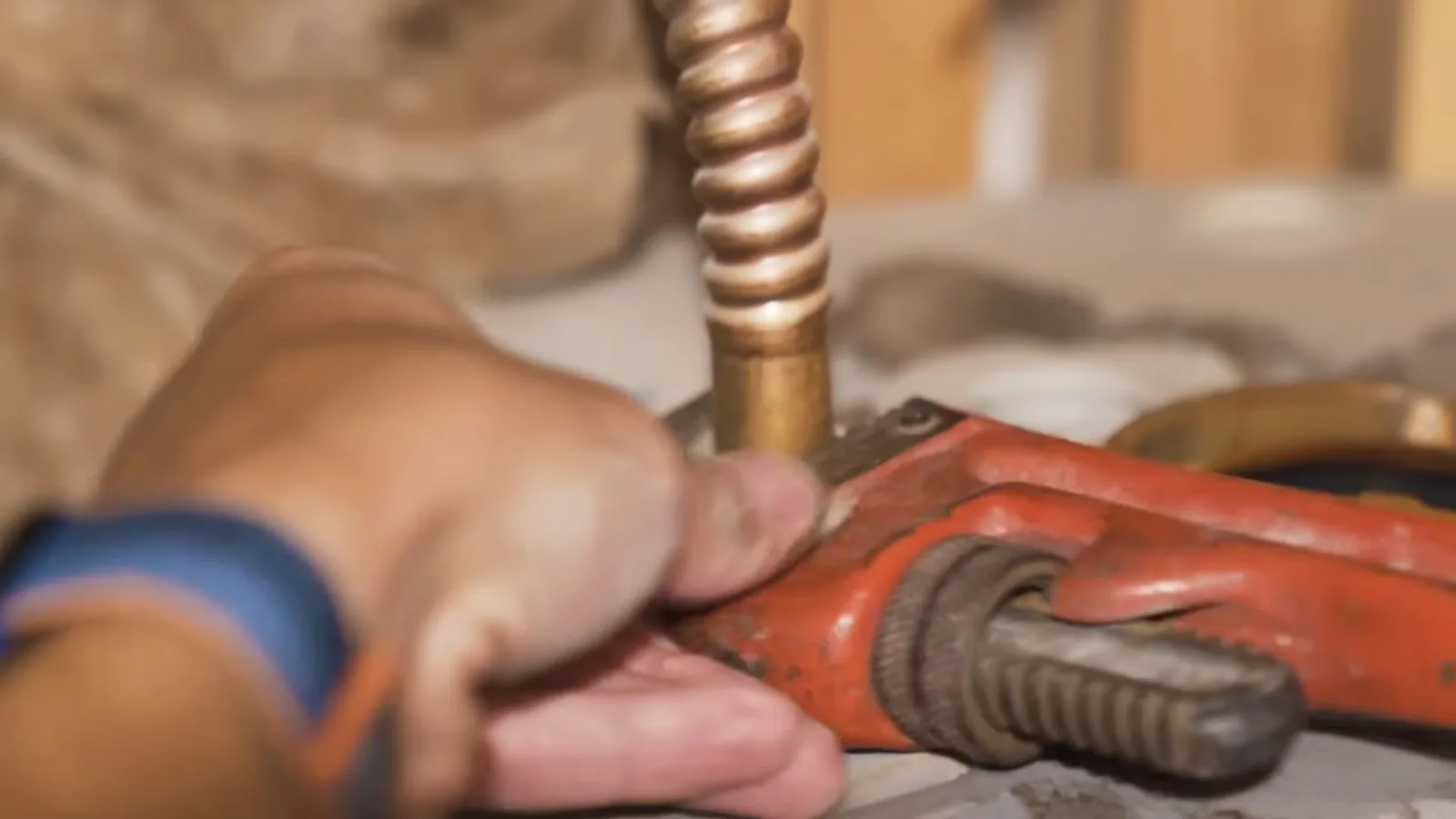
Smell gas? What to do before anyone repairs anything
Natural gas has an added odor, often compared to rotten eggs, so leaks can be noticed. A hissing sound near a pipe, dead grass over a buried line or a pilot light that keeps going out are other signs. Treat any of them as an emergency until a professional says otherwise.
- Leave the house at once and take everyone with you.
- Do not flip light switches, use a phone inside, light a match or start a car in the garage.
- From outside, call your gas utility's emergency number, which is printed on your bill.
- Call 911 if you smell a strong odor or feel unwell.
- Call dispatch to arrange the repair once the utility has made the area safe.
The utility checks and secures the meter and the service side. A plumber handles piping inside the house and from the meter to the appliances. Both calls matter, and the first one is to the utility.
Gas line repair: finding and fixing a leak
A plumber who repairs a gas line starts by locating the leak. Common sources are threaded joints that have loosened, corroded sections of older pipe, flexible connectors at appliances and fittings that were never tightened properly. Locating the leak means a pressure test and a leak detection solution or an electronic sniffer on the suspect joints.
Repair can be as small as tightening or replacing a fitting, or as large as replacing a run of pipe. Gas work is not a place for guesses. After any repair, the line is tested again and the appliances are relit and checked before the job is called finished.
Residential gas line repair and gas leak repair support both begin with the same pressure test. Natural gas plumbing also includes the shut-off valve at each appliance. If the gas is turned off at the meter, leave it off until a plumber has confirmed the piping is tight.
Furnace, boiler and fireplace repair is heating work, not plumbing, and gas heating system repair belongs to an HVAC contractor. A plumber covers the piping that feeds those appliances. If you are not sure which trade you need, describe the problem to dispatch.
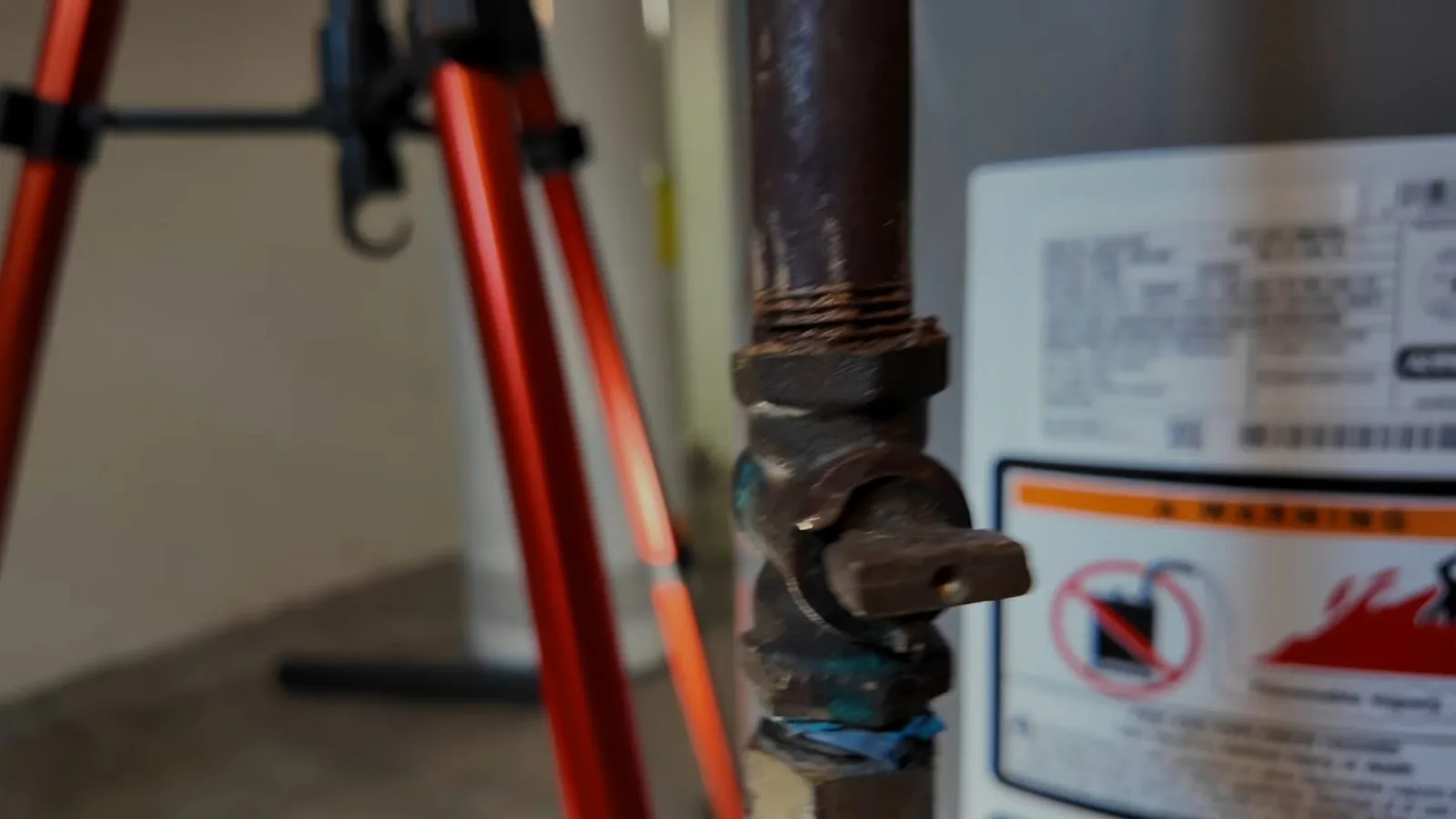
Gas smell or suspected leak?
Get everyone outside first, then call. Dispatch will tell you how to arrange the repair.
Gas line installation for ranges, dryers, fireplaces, grills and generators
New appliances often need new gas connections. A range, a dryer, a gas fireplace or insert, an outdoor grill, a patio heater and a standby generator can all be added to an existing system. The plumber checks whether the existing pipe can carry the added load, then runs new branches with shut-off valves at each appliance.
A gas fireplace plumber often handles the line to the unit and the valve, while the unit itself is installed to its maker's instructions. A generator is a bigger draw than most appliances, so the pipe size matters. Ask the plumber to confirm capacity before ordering equipment.
Propane works differently from natural gas, with different pressures and regulators. If your house uses propane, say so when you call. Medical gas piping, often called med gas, serves clinics and care facilities and is a specialty system that this page does not cover. A gas line replacement company or a licensed gas line specialist should be able to name the pipe material, the test pressure and the permit steps.
Pipe replacement: black iron, CSST and copper
Houses built before 1950 are common in Camp Hill, and natural gas heats more homes here than any other fuel. Older houses often have black iron pipe, which is strong but can corrode and loosen at threads. Newer work may use corrugated stainless steel tubing, called CSST, which is flexible and quick to run. Copper gas piping appears in some older systems and is not suited to every gas type.
Replacement makes sense when the pipe is corroded, when leaks keep returning or when a remodel changes the layout. Each material has its own installation rules, including bonding and protection for CSST. A plumber should name the material, explain why it needs replacement and describe how the new line will be supported and tested.
Buried gas lines add another step. Before anyone digs, 811, the Pennsylvania utility marking service, needs at least three business days to mark the lines. The contractor doing the digging normally makes that call.
Pressure testing, inspection and permits
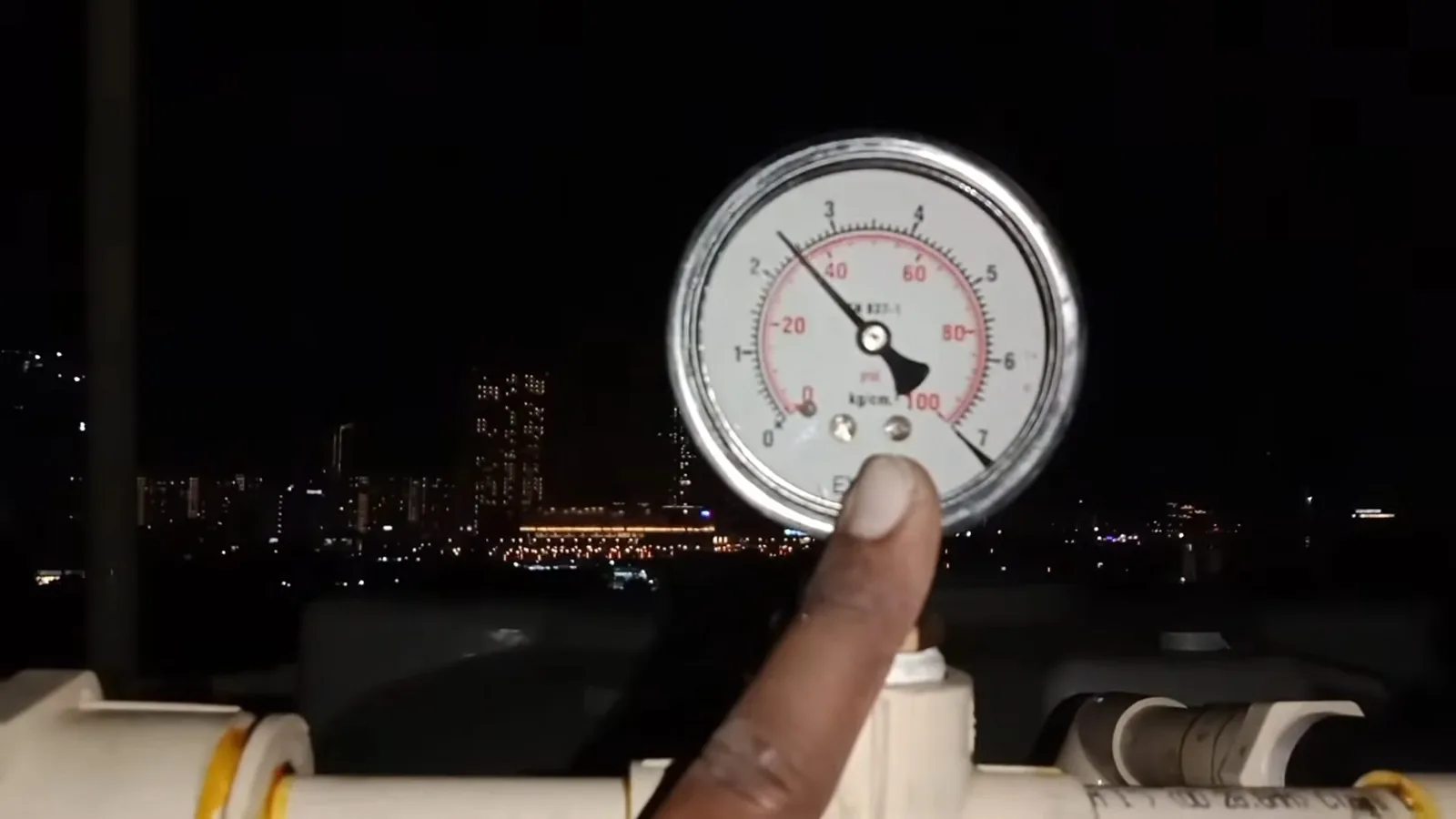
A pressure test holds the piping under pressure and watches for a drop. It is how a plumber proves a new or repaired line is tight. An inspection for an older system may add a look at supports, connectors, shut-off valves and the condition of the pipe.
Local rules differ, and gas work is often more tightly regulated than other plumbing. The borough codes office takes calls at 717-737-3457. Call and find out if new gas piping at your address needs a permit and an inspection.
Swapping a tank for a different type of water heater makes the gas supply part of the decision. See the water heater installation page for what that involves. See the homepage for how the dispatch line works.
Need a gas line repaired or added?
Call and describe the appliance or the smell. Dispatch will say what the next step is.
Gas line questions from Camp Hill callers
Smell gas in the house: what comes first?
Leave the house immediately and call your gas utility and 911 from outside. Do not switch anything on or off inside. After the utility makes the area safe, call a plumber to find and fix the leak.
Can a gas fireplace or insert be connected to my gas line?
Picture an older Camp Hill house where the owner wants a gas insert in the living room fireplace. The plumber checks pipe size, runs a branch to the fireplace and installs a shut-off valve. The insert is then set up to its maker's instructions and the connection is pressure tested before use.
Who installs gas lines for stoves and dryers?
A plumber who works on gas piping.
- Confirm the plumber works on gas piping and is licensed and insured.
- Check that the existing pipe can handle the added load.
- Ask whether a permit or inspection applies at your address.
- Make sure the line is pressure tested and each connection leak tested.
One caution: never connect a gas appliance yourself with tape or putty, since a poor joint can leak.
What do I do if I smell gas but cannot find the source?
Leave anyway. A faint smell can mean a small leak or a larger one that has not yet reached your nose. Call the utility from outside, and let them test with their equipment. Do not search for the leak yourself.
Call about a gas line repair
The same number reaches dispatch for gas line repairs, new hookups and pipe replacement at any hour. Gas smell? Leave first.
- Licensed and insured plumbers
- Same-day service when available
- 24/7 emergency dispatch